
Introduction
Brazil during Carnival is intoxicating—a sensory explosion of music, color, and unbridled joy that transforms cities into open-air celebrations. Rio de Janeiro’s iconic samba parades, Salvador’s street processions, and Recife’s frevo dancers create an atmosphere of pure magic. But beneath the glitter and confetti lies an essential truth: the most memorable trips are those where you move with confidence and intention.
This guide is your companion for navigating Brazil’s Carnival season with both sophistication and savvy. Whether you’re watching the Sambadrome’s grand parade, dancing through Salvador’s Bairro Alto, or discovering hidden street parties in smaller cities, mastering two fundamentals—cash management and transit navigation—transforms you from anxious traveler to assured explorer.
Brazil’s real treasure isn’t just its legendary festivities; it’s the warmth of its people and the reliability of its infrastructure when you know how to use it. Major cities like Rio, São Paulo, and Salvador operate modern metro systems, regulated taxi networks, and increasingly robust ride-sharing platforms. Brazilian currency (the Real) is straightforward to manage, and ATMs are abundant in tourist areas and shopping districts.
The distinction between a chaotic Carnival experience and a seamless one often comes down to preparation. Knowing where and how to withdraw cash, understanding your transit options before you need them, and recognizing patterns in local life empower you to move freely without constant anxiety. This isn’t about fear—it’s about respect for the environment and smart decision-making that every seasoned traveler practices, whether in Rio, Rome, or New York.
Throughout this guide, you’ll discover practical strategies that locals use daily: how to identify reliable ATMs, which transit methods suit different neighborhoods and times, how to carry cash without drawing attention, and how to read your surroundings with cultural intelligence. You’ll also learn why Carnival, despite its high-energy atmosphere, operates within frameworks of safety when you understand how to navigate them.
The goal isn’t to diminish the magic of Brazil’s most celebrated season—it’s to enhance it. When you’re not preoccupied with logistical concerns, you’re fully present for those unforgettable moments: the first drumbeat that moves your hips involuntarily, the stranger who becomes your dance partner, the sunrise after an all-night celebration.
Brazil welcomes millions of international visitors to Carnival annually. Thousands of them move through the festivities with ease and joy. You will too—armed with the right knowledge and a spirit of intelligent exploration.
Pre-trip Planning & Security Checklist
Document & Insurance Intelligence
Before departure, make certified copies of your passport, visa pages, and travel insurance documents. Store originals in your hotel safe and carry copies separately from your passport. Quality travel insurance that covers medical emergencies, theft, and trip interruption is non-negotiable—prioritize policies with 24/7 assistance lines that operate in Portuguese and English.
Banking & Currency Setup
Contact your bank and credit card companies at least two weeks before travel to notify them of your Brazil dates. Request a travel PIN for your debit card and confirm international transaction fees (typically 1–3% for foreign exchanges). Notify your bank of your specific arrival city—Rio, São Paulo, or Salvador—so transactions won’t be flagged as fraud.
Exchange currency before arrival or withdraw Brazilian Real (BRL) from ATMs in secure, staffed locations like airports and established shopping centers. The current exchange rate hovers around 5 BRL per 1 USD; lock in favorable rates at your home bank rather than street exchanges. Carry a modest amount of cash ($100–200 USD equivalent) for immediate needs, keeping larger amounts in cards.
Smart Money Habits for Carnival
Carnival season attracts crowds, which means strategic cash management becomes essential. Use money belts or anti-theft pouches for primary funds—keeping them literally close to your body. Distribute your currency: 40% in your hotel safe, 40% on your person in secure pockets, and 20% in an easily accessible wallet for daily transactions.
Brazilian ATMs typically dispense in 100 BRL notes (roughly $20 USD); withdraw during daylight hours and complete transactions quickly. Credit cards are widely accepted in Rio, São Paulo, and Salvador’s upscale neighborhoods, restaurants, and major retailers—this is your safest payment method for larger purchases.
Health & Emergency Preparedness
Obtain travel insurance that explicitly covers Carnival-related activities (some policies exclude high-crowd events). Register with your embassy before departure through the Smart Traveler Enrollment Program (STEP) if you’re US-based, or your country’s equivalent.
Visit a travel health clinic 4–6 weeks prior to discuss yellow fever vaccination (highly recommended for Brazil), malaria prophylaxis if visiting the Amazon, and routine immunizations. Pack a lightweight medical kit: antihistamines, stomach remedies, blister treatment, and any prescription medications in original, labeled containers.
Transportation Pre-Booking
Research your arrival city’s official taxi apps (Easy Taxi, 99 Taxi) or ride-sharing platforms (Uber, Lyft) before you land. Download offline maps of your accommodation and key destinations. Book airport transfers through your hotel or established services rather than flagging cabs on arrival.
For inter-city travel during Carnival, book long-distance buses (Greyhound-style comfort exists in Brazil via companies like Cometa and Viação 1001) at least one week ahead—prices are remarkably affordable ($30–80 USD for multi-hour routes).
Documentation Checklist
- [ ] Certified passport copies (separate storage)
- [ ] Travel insurance documents & policy numbers
- [ ] Bank contact numbers saved in your phone
- [ ] Hotel address, phone, and emergency contacts
- [ ] Vaccination records and prescriptions
- [ ] Flight confirmations and hotel reservations
- [ ] Downloaded offline maps and transportation apps
Smart Money Management on the Ground
Brazil’s modern payment infrastructure rivals any major global destination, and mastering its nuances transforms your Carnival experience from stressful to seamless.
The Multi-Method Approach
Arrive with a hybrid strategy. Brazilian ATMs—found in every neighborhood and shopping mall—dispense reais at competitive rates. Withdraw moderate amounts (200–500 reais, roughly $40–$100 USD) multiple times rather than one large sum. This habit reduces the temptation to carry excessive cash and mirrors the spending patterns of savvy locals.
Credit and debit cards are widely accepted in Rio, Salvador, and Recife’s commercial zones, restaurants, and hotels. Visa and Mastercard dominate; American Express has limited acceptance. Notify your bank of travel dates before departure to avoid fraud blocks—a pro-tip that saves hours of frustration.
The PIX Revolution
Brazil’s instant payment system, PIX, has democratized transactions. Many vendors, from beach bars to boutique hotels, now accept PIX transfers via QR code. Ask your hotel concierge to help you set up a temporary PIX account (some banks allow non-residents to register). This eliminates cash exchanges entirely for savvy travelers and earns you local credibility.
Smart Spending Habits
Carnival doesn’t require excessive spending to be memorable. Street vendors and casual dining cost 20–40 reais ($4–$8 USD) per meal. Mid-range restaurants run 80–150 reais ($16–$30 USD). Reserve splurges for signature experiences: a beachfront dinner in Ipanema or a private samba lesson in a favela community tour.
Keep small bills (10 and 20 real notes) separate from larger denominations. This prevents overpaying street vendors or tipping incorrectly—Brazil’s tipping culture expects 10% in restaurants, though cash tips for service staff are always appreciated.
Currency Exchange Wisdom
Avoid exchanging money at airports or tourist-heavy zones; rates are inflated. Your bank’s ATM rate is typically the fairest. If you prefer exchanging cash, seek casas de câmbio (exchange houses) in business districts—rates are transparent and competitive.
Monitor your account balance through your bank’s app. Many institutions offer real-time foreign transaction alerts, which is invaluable during Carnival’s high-spending environment.
Digital Safeguards
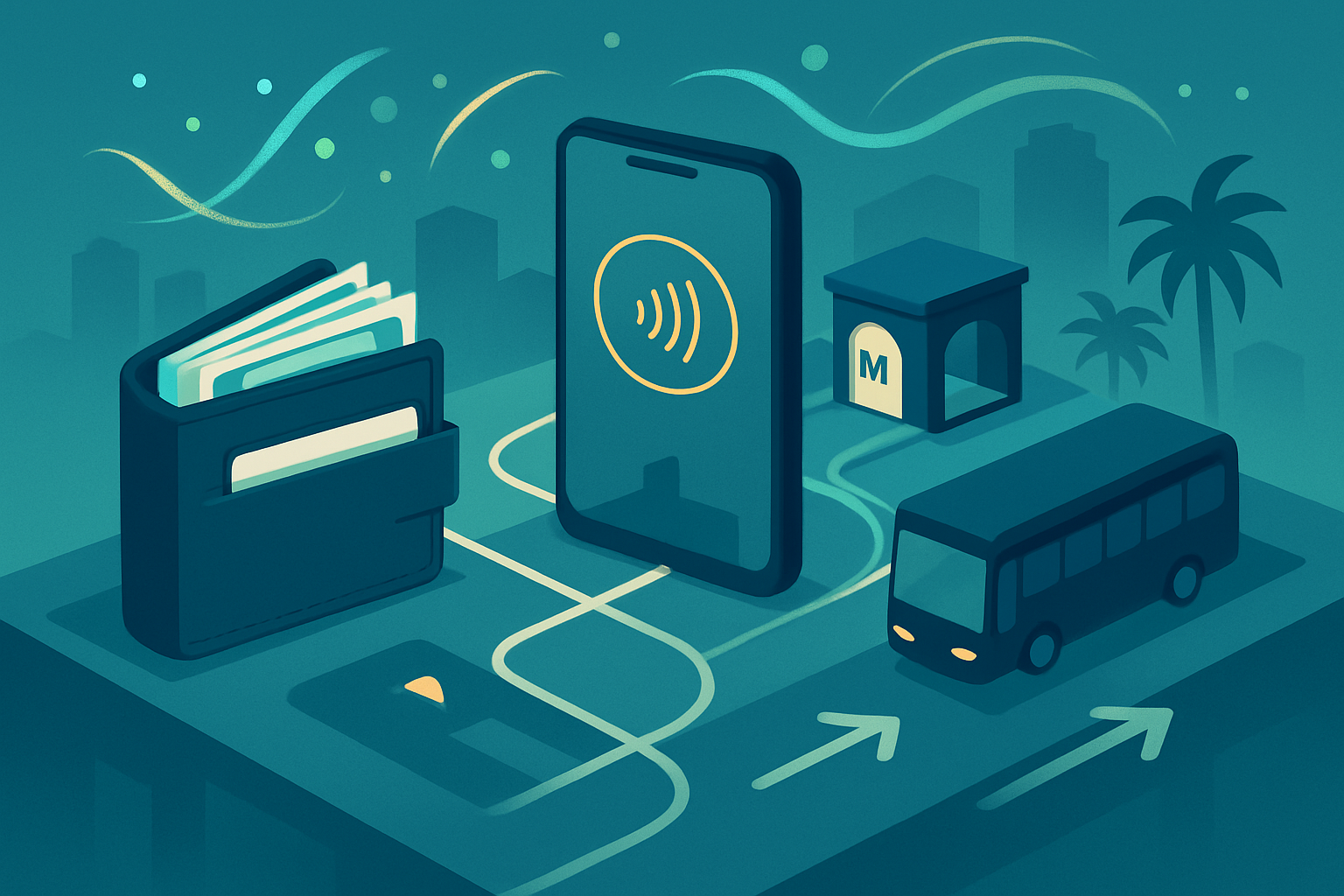
Use hotel safes for passports and excess cash. Carry only what you’ll spend that day. This isn’t paranoia—it’s the same practice affluent Brazilians employ during peak season. Your phone’s digital wallet (Apple Pay, Google Pay) works in most modern establishments and leaves zero physical trace of your movements.
Pro-Tip: The Local Banking Partnership
Some international travelers establish relationships with a local bank’s app before arrival. This requires planning but grants access to better exchange rates and eliminates ATM fees entirely. Your hotel concierge can guide you through this process in under 30 minutes.
By embracing Brazil’s modern payment ecosystem and practicing intentional spending habits, you’ll navigate Carnival’s vibrant economy with confidence and authenticity.

Safe Transport & Confident Movement
Brazil’s major cities—Rio de Janeiro, São Paulo, Salvador, and Recife—offer reliable and efficient transit systems designed to move millions during Carnival. The key to confident movement is knowing your options and adopting smart travel habits that locals use every day.
Official Rideshare & Registered Taxis
Your safest bet for point-to-point travel is using Uber, 99 (Brazil’s leading local app), or Bolt. These apps provide transparent pricing, driver ratings, and GPS tracking—eliminating negotiation and route uncertainty. During peak Carnival hours, surge pricing applies, so budget accordingly and book rides during off-peak times when possible. Licensed yellow taxis are also reliable; always use official taxi stands rather than hailing curbside, and confirm the meter is running before departing.
Metro Systems: Fast, Affordable, Organized
Rio’s Metro and São Paulo’s extensive subway networks are exceptional during high-traffic periods. Fares cost roughly 4–6 BRL ($0.80–$1.20 USD). Purchase a rechargeable Vem card at metro stations—far more convenient than individual tickets. Travel during mid-morning or early evening to avoid peak crush times. Stations have clear signage in Portuguese and English, and security presence is visible throughout.
BRT & Bus Networks
Bus Rapid Transit (BRT) systems in Rio and São Paulo move vast crowds efficiently. Download the Moovit app for real-time transit information, including bus routes and arrival times. While buses are economical (5–6 BRL), keep valuables secure in front pockets and avoid traveling after midnight.
Pro-Tips for Confident Mobility
Stay aware of your surroundings. Keep your phone secured, avoid displaying expensive jewelry, and travel with purpose—know your destination and route beforehand. Locals respect travelers who move with intention rather than appearing lost or disoriented.
Travel in groups during evening hours. Whether using transit or walking, there’s safety in numbers, especially during Carnival’s extended nighttime celebrations.
Use hotel concierge services. Your accommodation staff understands local transit patterns and can recommend the safest routes for your specific destination at your specific time.
Avoid overnight transit. The safest metro and bus services run until midnight; after that, use registered rideshare apps exclusively.
Dress practically. Wear crossbody bags, comfortable walking shoes, and minimal jewelry. Carnival is about movement and celebration—dress for the activity, not the spectacle.
Getting Around During Peak Carnival
Expect crowds and delays during peak parade hours (typically 8 PM–4 AM). Plan your transit 30–45 minutes earlier than you think necessary. Many travelers rent apartments near Sapucaí (Rio’s main parade venue) to minimize transit friction; this premium investment pays dividends in time and peace of mind.
The rhythm of Brazil’s transit systems mirrors the rhythm of Carnival itself: vibrant, organized, and designed for celebration. Master these practical systems, and you’ll move through the festivities with the confidence of a seasoned traveler.
Low-Profile Behavior & Guided Options
The essence of traveling smart during Carnival isn’t about limiting your experience—it’s about maximizing it. Blending in thoughtfully allows you to move through Rio, Salvador, and Recife with confidence and ease, leaving more time for the revelry that matters.
Dress the Part, Travel Light
Adopt the local uniform: lightweight, casual clothing in neutral tones. Leave the designer logos, expensive jewelry, and high-end watches at your hotel safe. Cariocas and soteropolitanos dress down during Carnival—you’ll see locals in simple cotton shirts and sandals, not Rolex watches. A crossbody bag worn in front (rather than a backpack) keeps hands free and valuables secure. Consider a money belt for your passport and extra cash, worn beneath clothing.
Navigate with Purpose
Walking with intention signals you know where you’re going. Download offline maps on Google Maps or Citymapper before exploring neighborhoods like Lapa (Rio) or Pelourinho (Salvador). Move confidently between destinations rather than lingering at street corners consulting your phone. If you’re unfamiliar with an area, asking hotel concierges or restaurant staff for directions—rather than relying on your phone—is both safer and more authentic.
Partner with Official Guides
Rio’s ABAV-certified tour operators and Salvador’s licensed Carnival guides offer curated experiences without the vulnerability of solo exploration. Expect to pay $80–$150 USD per person for group walking tours that include insider access to samba school rehearsals or neighborhood street parties. Companies like Favela Tours (operating since 1992) and Salvador’s Bahia By Locals employ residents and provide genuine cultural immersion with built-in safety.
Strategic Timing
Carnival peaks between 6 p.m. and 2 a.m., when crowds provide natural anonymity. Daylight hours—particularly mid-afternoon—are ideal for museum visits, beachside walks, and neighborhood exploration. The Museu de Arte do Rio and MASP (São Paulo) operate during standard hours and represent excellent indoor alternatives during peak evening festivities.
The Buddy System
Traveling in pairs or small groups isn’t just safer; it enhances the experience. Designate a meeting point if your group separates at street parties. Exchange local SIM cards or international plans so communication remains seamless. Many tour operators automatically assign group members, naturally building in this security layer.
Trust Your Instincts
Brazilian hospitality is genuine, but discernment matters. Politely decline unsolicited offers of “special party access” from strangers. If a venue, street, or interaction feels uncomfortable, leave immediately—there will always be another celebration block, another samba school, another beach.
The goal isn’t hypervigilance; it’s informed confidence. These habits transform travel from something you’re anxious about into something you’re genuinely present for. Carnival rewards the prepared traveler with unforgettable moments.

Emergency Plan, Insurance & What to Do If Targeted
Travel Insurance: Your Non-Negotiable Foundation
Before boarding, secure comprehensive travel insurance that covers theft, medical emergencies, and evacuation. Policies from providers like World Nomads, IMG Global, or local Brazilian insurers typically cost $150–$400 for a two-week trip and should include coverage for valuables, trip interruption, and 24/7 emergency hotlines. This isn’t just a safety net—it’s peace of mind that transforms how freely you move through the city.
Document Everything Before You Go
Create encrypted digital copies of your passport, visas, travel insurance policy, credit card numbers, and emergency contact information. Store these in a cloud service (Google Drive, Dropbox) accessible only to you, separate from physical documents. Leave a printed copy with a trusted contact at home. This simple step means you’re never more than a few clicks away from replacing lost documents.
Build Your Emergency Contacts List
Save these before arrival:
- Your embassy or consulate (U.S. Embassy in Brasília: +55 61 3312-7000; consulate in Rio: +55 21 3823-2000)
- Local police (non-emergency): 190
- Tourist Police (DEAT) in Rio: +55 21 2332-2924
- Your hotel concierge and travel insurance provider
- A trusted local contact (your hotel can recommend a reliable guide or friend)
Smart Response Protocols
If you experience theft or loss: Report it immediately to local police and obtain a formal report (boletim de ocorrência)—essential for insurance claims. Tourist Police stations exist specifically to help visitors; staff speak English and understand travelers’ needs. This typically takes 30–45 minutes.
If you feel unsafe: Trust your instincts without hesitation. Step into a nearby café, restaurant, or shop. Alert hotel staff or your guide immediately. Brazil’s tourism infrastructure is highly responsive to visitor concerns, and staff are trained to de-escalate situations.
If you’re involved in an accident or medical emergency: Contact your travel insurance provider’s 24/7 hotline first—they’ll direct you to vetted facilities and handle logistics. Rio and São Paulo have world-class private hospitals (Hospital Copa Star, Hospital Sírio-Libanês) that cater to international patients.
The Pro Mindset
The travelers who thrive in Brazil treat preparation like packing: essential, non-negotiable, and then forgotten. Once your insurance is secured, documents are backed up, and contacts are saved, you’re free to experience Carnival’s ecstasy, navigate São Paulo’s electric streets, and dance in Rio’s favela parties with confidence.
This isn’t paranoia—it’s professionalism. The most seasoned travelers move with intention, not anxiety. Your emergency plan is simply the invisible infrastructure that lets you focus entirely on the extraordinary.
Conclusion
Brazil during Carnival is a masterclass in sensory abundance—the music, the colors, the infectious energy of millions celebrating together. But beneath the spectacle lies an equally compelling story: that modern Brazil is a destination for savvy, informed travelers who understand that smart preparation isn’t about limiting joy; it’s about amplifying it.
The fundamentals are simple. Keep most of your money in a hotel safe or money belt worn under clothing. Withdraw cash from ATMs in well-lit, populated areas during daylight hours. Carry only what you need for the day—typically R$100–200 for meals, transit, and incidentals. Use registered taxis, ride-sharing apps, or hotel concierge recommendations for transportation. Stay in neighborhoods like Leblon, Copacabana, and Lapa, where infrastructure and foot traffic provide natural security. These aren’t restrictions; they’re the standard practices of experienced travelers everywhere from Barcelona to Bangkok.
What transforms Carnival from spectacular to unforgettable is presence. When you’ve secured your belongings and planned your route, you’re free to surrender to the moment—to dance in the street parades of Rio, to experience the Afro-Brazilian cultural heart of Salvador’s Carnival, to lose yourself in the spontaneous joy that defines this festival. You’re not anxious about your wallet; you’re connected to 200 million Brazilians and millions of visitors celebrating humanity itself.
The infrastructure exists. Brazil’s metros are efficient and affordable (single rides start at R$4.70 in Rio). Its tourist police speak English. Its neighborhoods have been welcoming international visitors for decades. The country invests continuously in Carnival-season safety and accessibility. What’s required of you is straightforward: awareness, preparation, and the confidence that comes from knowing exactly what to expect.
Pack your most vibrant outfit. Download offline maps. Confirm your hotel’s concierge recommendations. Keep digital copies of your documents. Then step into the streets with the conviction that you belong here—because you do.
Brazil doesn’t ask you to be fearless; it asks you to be informed. The reward is Carnival as it was meant to be experienced: with open eyes, an engaged heart, and the unshakeable knowledge that you’ve navigated it with style, wisdom, and grace. This is the luxury of modern travel—not the absence of thought, but the freedom that thoughtfulness provides.