Introduction
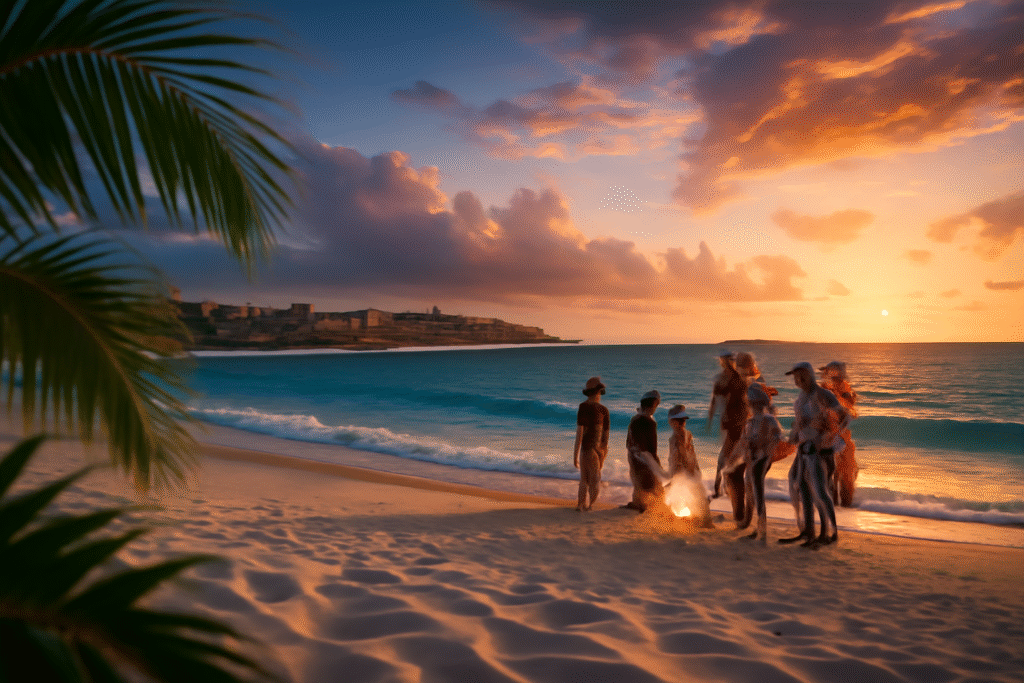
Brazil’s Northeast has long whispered its secrets to those in the know—a constellation of colonial cities, world-class beaches, and fervent cultural celebrations that rival any destination on the globe. Yet for most international travelers, it remains refreshingly under the radar, overshadowed by Rio’s iconic Christ the Redeemer and São Paulo’s urban magnetism. That changes in 2026, when Iberia’s direct flights from Europe will transform the region from a coveted insider destination into an accessible gateway for discerning travelers seeking authenticity without compromise.
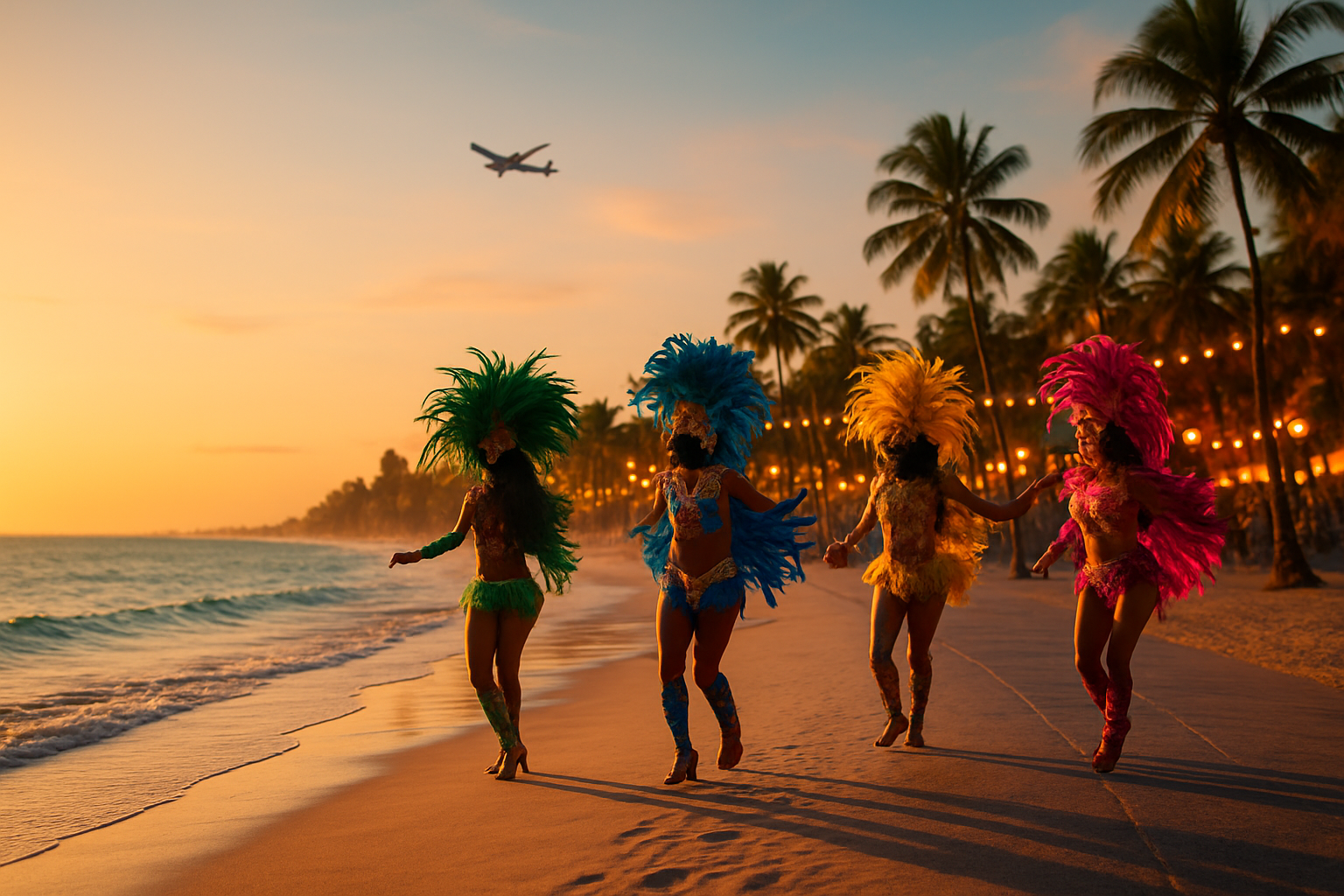
The timing couldn’t be more opportune. The Northeast’s two most intoxicating festivals—Carnival and São João—collide with unprecedented accessibility, offering travelers a choice between the unbridled energy of street parades and the intimate, spiritual joy of midsummer celebrations. Both are experiences that transcend the performative; they’re invitations into the region’s soul.
What makes the Northeast magnetic isn’t merely its festivals, though those are undeniably spectacular. It’s the layered complexity: Recife’s urban sophistication and street art scene; Salvador’s Afro-Brazilian heritage woven through every corner; Olinda’s pastel-hued colonial architecture cascading toward the Atlantic; Fortaleza’s seamless blend of pristine coastline and contemporary culture. The region encompasses 1,500 kilometers of coastline, countless islands accessible by speedboat, and interior towns where traditions persist largely unchanged for centuries.
Iberia’s direct routing eliminates the grueling São Paulo or Rio connections that have historically made Northeast travel feel more complicated than it needed to be. Suddenly, you’re landing in Recife or Salvador after a single transatlantic flight, with your circadian rhythms still somewhat cooperative and your energy reserves intact. This operational shift democratizes access to what was once a destination requiring serious commitment to reach.
For luxury travelers, the Northeast delivers refined experiences that rival the Caribbean at a fraction of the cost and crowds. Private beach clubs in Pernambuco, colonial pousadas converted from 16th-century convents, and Michelin-trained chefs interpreting regional ingredients create a sophisticated infrastructure that feels effortless rather than exclusive.
The cultural payoff is equally significant. You’re not merely observing festivals; you’re participating in living traditions. Carnival here predates Rio’s iterations; São João celebrations trace lineage to Portuguese saint days that merged with indigenous and African spiritual practices. Travelers report these experiences as transformative—less about spectacle, more about genuine cultural exchange.
2026 represents a pivotal moment: when discovery and accessibility converge. The Northeast isn’t about to lose its soul to mass tourism; it’s simply becoming easier to reach. For travelers fatigued by well-trodden paths, seeking festivals that feel authentic rather than staged, and desiring beaches that inspire genuine wanderlust, Iberia’s direct flights signal that your moment has arrived.
Why 2026 Is the Moment to Visit
The Northeast has quietly become Brazil’s most compelling destination, and 2026 represents a precise inflection point where infrastructure, accessibility, and authentic cultural experiences converge. This is the year to arrive before the world does.
Direct Access Changes Everything
Iberia’s newly launched direct flights from Europe to the Northeast—particularly to Salvador and Recife—eliminate the traditional friction of Brazilian travel. No longer do you need to route through São Paulo or Rio, losing days to connection logistics. You arrive refreshed, jet lag minimal, and positioned directly where the culture, beaches, and festivals actually are. For travelers from the US, these European hubs now function as seamless connectors, effectively shortening total travel time by 8–12 hours compared to traditional routings.
Carnival and São João Align with Global Calendars
2026’s festival calendar is exceptionally well-timed. Carnival (February 22–March 3) arrives early enough to avoid peak summer heat in other destinations, making it the perfect cultural pivot point in your annual travel plan. Following that, the São João celebrations (June) offer a second wave of authentic festivity—far less commercialized than Carnival, deeply rooted in Afro-Brazilian and indigenous traditions, and attended primarily by locals who genuinely celebrate rather than perform.
These festivals are not tourist attractions retrofitted onto the landscape; they are the Northeast’s heartbeat. Your presence enriches rather than diminishes them.
Infrastructure Without Overdevelopment
Unlike many “discovered” beach destinations, the Northeast has invested thoughtfully in visitor infrastructure without sacrificing character. New boutique hotels in Olinda, upgraded dining in Salvador’s historic Pelourinho district, and carefully restored colonial towns now offer luxury that doesn’t erase authenticity. The beaches themselves—Jericoacoara, Maragogi, and the hidden coves of Bahia—remain relatively uncrowded, offering that rare combination of accessibility and solitude.
Cultural Depth on Every Block
The Northeast is where Brazil’s soul resides. This is where African diaspora culture, indigenous heritage, and Portuguese colonial history exist not as museum exhibits but as living daily practice. Capoeira classes happen in the streets. Candomblé traditions shape community identity. Local cuisine reflects centuries of cross-cultural exchange. For the discerning traveler, this depth of cultural authenticity—available in real time, without mediation—is irreplaceable.
Smart Travel Habits for Maximum Enjoyment
To optimize your experience: book direct Iberia flights well in advance (availability increases through early 2025). Plan festival visits 3–4 months ahead for accommodations. Hire local guides through established agencies—they provide context that transforms observation into understanding. Use registered taxis or ride-sharing apps in urban centers. Keep valuables secured as you would in any major city worldwide.
The Window Is Now
Major tourism infrastructure tends to follow accessible transportation. As Iberia flights normalize and word spreads, accommodation prices and crowds will inevitably increase. 2026 represents the optimal moment: the Northeast is organized and welcoming, yet retains the authenticity that disappears once overtourism sets in. This is your invitation to experience Brazil not as a postcard, but as a living, breathing civilization.
Smart Booking Strategy & Travel Logistics
Timing Your Iberia Booking
Direct Iberia flights to Brazil’s Northeast have created unprecedented pricing flexibility for 2026 travel. Book 8–12 weeks in advance to secure the best fares on routes to Salvador, Recife, and Fortaleza. These gateways open directly into Carnival season (February–March) and São João festivities (June), eliminating costly connection fees and reducing total travel time by 4+ hours compared to traditional hub routings.
Set up fare alerts on Iberia’s website and Google Flights immediately. The airline typically releases promotional pricing 90 days ahead of peak travel windows. Direct flights mean you arrive refreshed—a significant advantage when diving straight into Brazil’s most exuberant celebrations.
Smart Travel Habits for Seamless Entry
Obtain your Brazilian visa (if required) at least 8 weeks before departure. Processing times vary by nationality, but advance planning prevents last-minute complications. Register with your embassy’s travel advisory service for real-time updates on local conditions and celebrations.
Pack light for the tropical climate: moisture-wicking fabrics, reef-safe sunscreen (mandatory for beach protection), and portable hand sanitizer. The Northeast’s humidity is your friend—it keeps skin supple—but preparedness ensures comfort throughout your journey.
Currency & Payment Strategy
Exchange currency before arrival or withdraw Brazilian reais from ATMs in airport terminals immediately upon landing. Notify your bank of travel dates to avoid card blocks. Most establishments in Salvador, Recife, and Fortaleza accept major credit cards, but carrying cash ($200–300 USD equivalent) provides flexibility at street markets, smaller restaurants, and cultural events.
Transportation Within the Northeast
Book domestic travel between cities 3–4 weeks ahead. Brazil’s bus network is world-class; services like Greyhound-equivalent companies offer sleeper coaches between major cities. Alternatively, short regional flights are competitively priced and efficient. Ride-sharing apps (Uber, 99) operate seamlessly in major cities—use them for airport transfers and evening outings.
Accommodation Reservations
The Northeast fills rapidly during Carnival and São João season. Secure lodging 10–12 weeks in advance, prioritizing neighborhoods like Barra in Salvador or Boa Viagem in Recife. Mid-range pousadas ($80–150 USD/night) offer exceptional value and authentic hospitality. High-end resorts in Fortaleza cater to luxury seekers with all-inclusive packages.
Pre-Arrival Essentials
Download offline maps of your destination cities. Brazil’s internet is reliable, but offline capability ensures navigation independence. Purchase comprehensive travel insurance covering medical emergencies and flight delays—a critical investment for adventure-focused itineraries.
Confirm Iberia flight details 48 hours before departure. Arrive at Madrid or your departure hub 3.5 hours early to navigate international protocols comfortably. The direct flight experience begins the moment you board: settle in knowing your Brazilian adventure awaits without intermediary stops or connection stress.
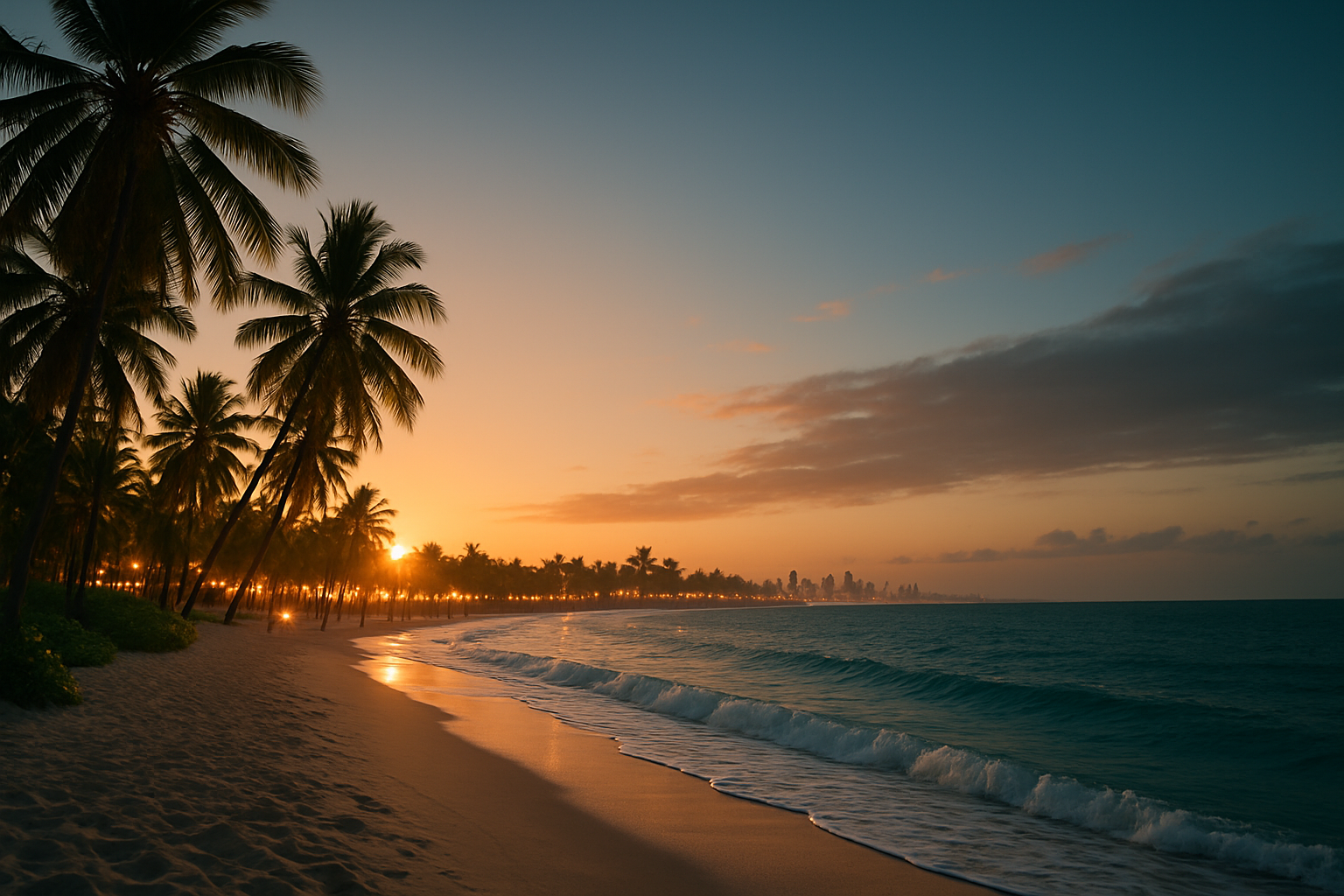
12–14 Day Itinerary Blueprints
The Carnival Circuit: Recife → Salvador → Rio (12 Days)
Days 1–4: Recife
Land via direct Iberia service and immerse yourself in the birthplace of frevo. Stay in Recife Antigo (Old Town), where colonial architecture meets cutting-edge street art. Dedicate two full days to Carnival festivities—samba schools begin public rehearsals weeks before the official parade. Book tickets through official venues rather than street vendors; this ensures premium seating and supports local artists directly. Spend your remaining days exploring the Gameleira mangrove ecosystem and nearby beach towns like Olinda, where smaller neighborhood blocos offer intimate celebrations. Budget: R$150–250 per night for mid-range accommodations; Carnival tickets start at R$200.
Days 5–8: Salvador
A 90-minute flight connects you to Brazil’s spiritual and cultural epicenter. Salvador’s Carnival is unstructured, visceral theater—the Barra neighborhood pulses with energy, while the historic Pelourinho district showcases Afro-Brazilian heritage through museums and live music venues. Prioritize the Museum of Modern Art and the Afro-Brazilian Museum; both offer context that enriches your festival experience. Venture to the recôncavo villages outside the city for drum-making workshops and smaller celebrations. Smart travel habit: use ride-sharing apps rather than street hailing, particularly after sunset.
Days 9–12: Rio de Janeiro
A domestic flight (2.5 hours) takes you to the hemisphere’s grandest Carnival stage. Split your time between the Sambadrome (official parade venue) and neighborhood street parties in Lapa and Santa Teresa. Secure Sambadrome tickets weeks in advance through official channels—prices range from R$300–1,500 depending on seating. Between celebrations, cable car access to Christ the Redeemer costs R$80, and the Botanical Garden (R$35) offers serene counterpoint to festival frenzy.
The São João Pilgrimage: Fortaleza → Caruaru → Campina Grande (13 Days)
Days 1–4: Fortaleza
Begin in the Northeast’s coastal jewel. Fortaleza’s slower-paced São João (June) centers on literature, forró dancing, and traditional foods like pamonha and bolo de milho. Explore the Dragão do Mar Cultural Center (R$20 entry) and spend afternoons on Praia de Iracema. Evening forró lessons run R$60–100 and connect you with locals who shape the celebration.
Days 5–9: Caruaru
The four-hour drive inland reveals the heartland’s true spirit. Caruaru’s Festa de São João is the Northeast’s largest, with 10+ days of street performances, traditional markets, and open-air dance floors. Stay in the city center (R$80–150/night) to access festivities on foot. The Parque da Autonomia hosts major events; the Centro da Cidade pulses with neighborhood parties.
Days 10–13: Campina Grande
Complete your pilgrimage in Paraíba’s cultural capital, where São João celebrations blend with the Festa Junina (the broader June festival season). The O Maior São João do Mundo festival draws over a million visitors. Wander the Centro district’s decorated streets, sample regional cuisine, and attend forró competitions.
Practical Framework: Budget R$3,500–5,500 USD per person for either 12–14 day itinerary, inclusive of domestic flights, mid-range accommodations, festival entry, and meals. Direct Iberia flights from Europe reduce connection time; book 8–10 weeks ahead for June/February departures.
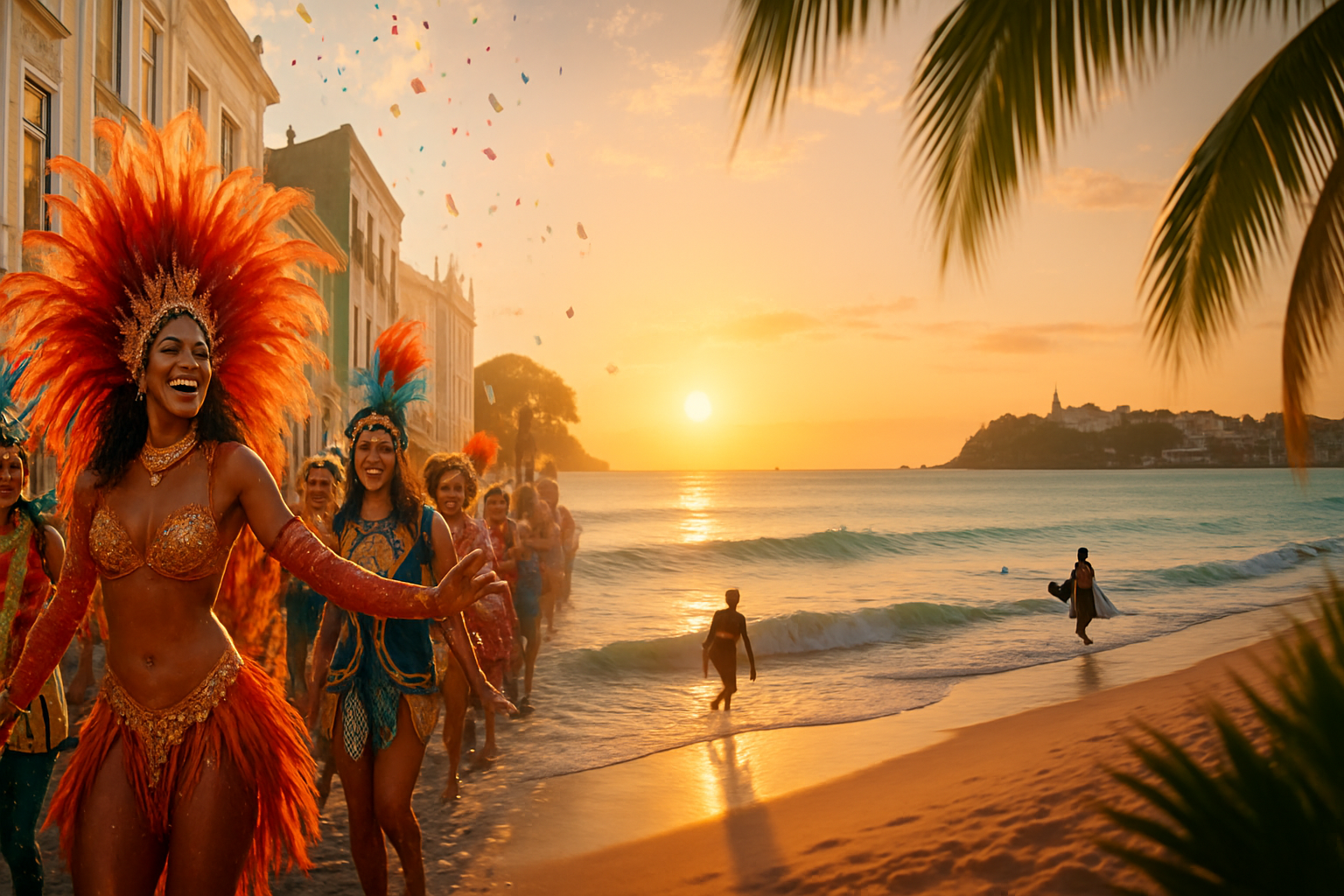
Hidden Gems & Unmissable Experiences
The Northeast’s magic lies beyond the postcard beaches. While Salvador’s historic Pelourinho district draws visitors with its cobblestone charm and Afro-Brazilian heritage, the region’s true treasures require a willingness to venture slightly off the main path—and direct Iberia flights now make this more accessible than ever.
São João Festivals Beyond Recife
The June festival season transforms the interior into a fever dream of folk tradition. While Recife’s urban celebrations dominate tourist itineraries, head inland to Caruaru or Campina Grande for the authentic São João experience. These cities preserve centuries-old traditions: quadrilha dances, corn-based regional cuisine, and markets overflowing with handcrafted decorations and regional delicacies. Hotels here cost a fraction of beachfront rates, yet the cultural immersion is incomparably richer.
The Lençóis Maranhenses: Brazil’s Otherworldly Interior
A two-hour flight from São Luís transports you to vast white-sand dunes interspersed with crystalline freshwater lagoons. This UNESCO-recognized landscape—best visited June through September when water levels peak—feels extraterrestrial. Local operators offer three-day expeditions with experienced guides who navigate both the dunes and the delicate ecosystem. This isn’t crowded; most travelers never venture here.
Olinda’s Artistic Undercurrent
While Salvador commands attention, Olinda—just 12 kilometers from Recife—operates as a bohemian counterpoint. Narrow streets lined with 17th-century colonial buildings host artist studios, small galleries, and intimate guesthouses. The Carnival procession here prioritizes artistry over spectacle, drawing musicians and performers who view the celebration as cultural expression rather than tourist performance.
The Sertão’s Culinary Renaissance
Brazil’s semi-arid interior (sertão) has emerged as a gastronomy destination. Small towns like Caruaru and local fazendas now host farm-to-table experiences showcasing regional specialties: umbu fruit, goat cheese, and slow-roasted meats prepared using techniques passed through generations. These experiences—typically €30–€50 per person—offer unmediated access to Northeastern food culture.
Smart Travel Habits for Maximum Enjoyment
Timing & Planning: Book internal flights early; June festivals and peak season (December–February) fill quickly. Consider shoulder seasons (April–May, September–November) for fewer crowds and more personalized service.
Regional Navigation: Hire local guides through your accommodation or vetted platforms. They provide context, access to family-run establishments, and authentic introductions to communities. This also ensures your tourism dollars support local economies directly.
Language & Connection: While Portuguese fluency isn’t essential, learning basic phrases opens doors literally and figuratively. Locals reward genuine effort with warmth and insider recommendations.
Practical Logistics: The Northeast’s infrastructure has modernized significantly. ATMs are ubiquitous in city centers; ride-sharing apps function reliably in major cities. Smaller towns operate on cash—plan accordingly.
The 2026 window—with direct Iberia connectivity—represents a unique moment. The Northeast remains undiscovered not because it lacks appeal, but because travelers haven’t yet realized it rivals Rio and São Paulo as a destination. This is your opportunity to experience Brazil before the crowds discover what insiders already know.
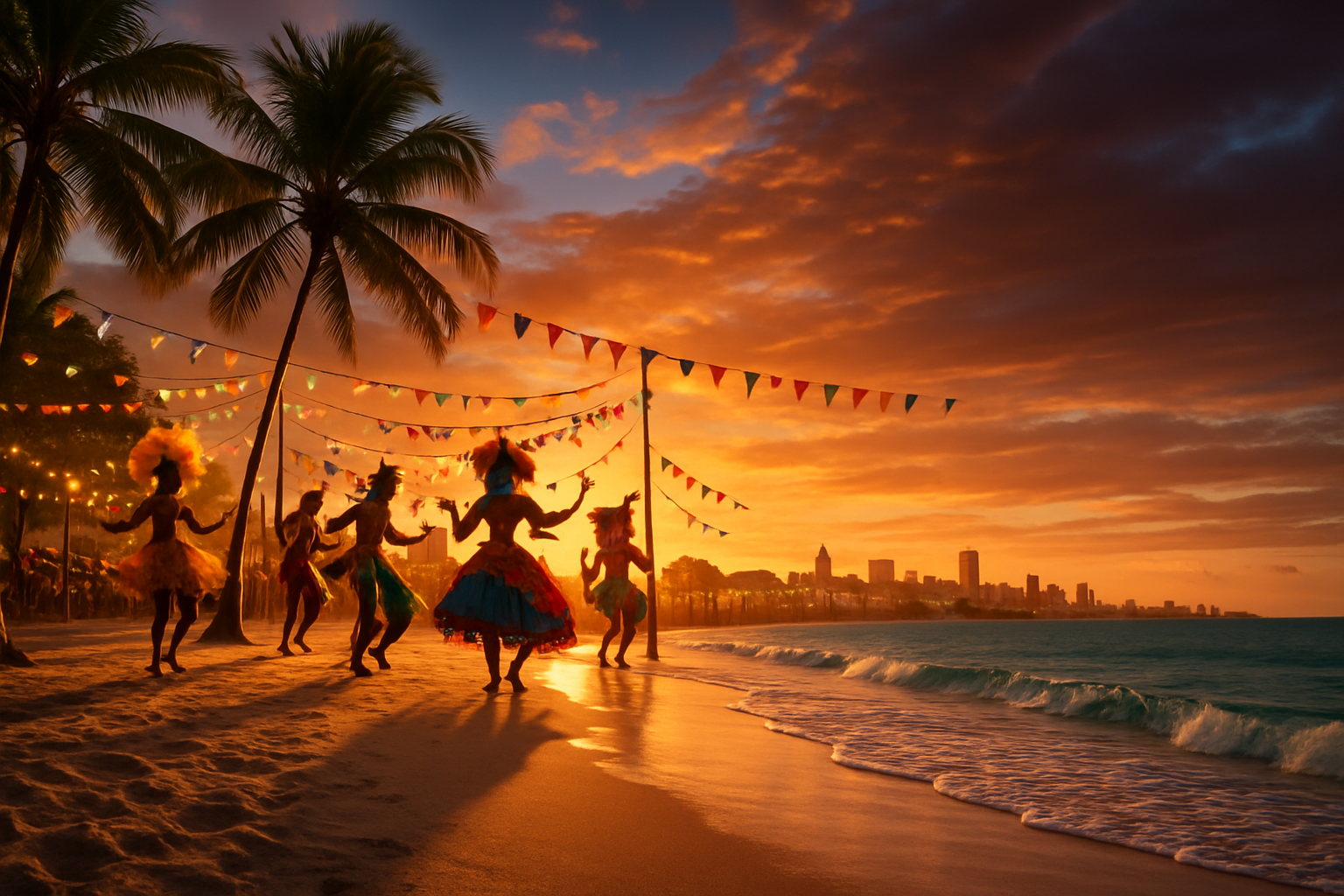
Safety, Neighborhoods & Packing Tips
Brazil’s Northeast has undergone remarkable transformation in recent years, with increased tourism infrastructure and local investment making it one of South America’s most welcoming regions. Like any vibrant destination, smart travel habits elevate your experience.
Neighborhoods Worth Your Time
Recife’s Old Town (Recife Antigo) remains the cultural heart—restored colonial architecture, galleries, and beachfront restaurants thrive under active foot traffic and local stewardship. Daytime exploration is ideal; evening outings are best in groups or with organized tours.
Olinda, perched above Recife, is a UNESCO gem where steep cobblestone streets and artist studios feel authentically lived-in rather than touristy. The vibe is bohemian and safe, especially during daylight hours and the famous Carnival season when the entire city is alive with energy.
Maceió’s Laguna district has seen significant revitalization around Praia de Francês, with upscale resorts, restaurants, and beachside bars creating a natural gathering point for visitors and locals alike.
Salvador’s Pelourinho (the historic center) is non-negotiable—yes, it requires awareness, but thousands of visitors navigate it daily with confidence. Stick to main thoroughfares, join a guided walking tour, and embrace the afternoon energy when the neighborhood pulses with life.
Smart Travel Habits
Stay connected. Keep a local SIM card or international plan active—navigation, restaurant reservations, and ride-sharing apps like 99 (Brazil’s dominant service) are essential. Direct Iberia flights mean you’ll likely arrive in Recife with clear international connections; pick up your SIM at the airport.
Use official transportation. Registered taxis, Uber, and 99 are reliable and inexpensive (a 10-minute ride costs $3–5 USD). Avoid unmarked cabs and travel with companions after dark.
Store valuables strategically. Keep passports in hotel safes. Wear crossbody bags rather than backpacks in crowded spaces. Leave flashy jewelry at home. These aren’t warnings—they’re the same precautions you’d take in Barcelona or Miami.
Embrace the rhythm. Northeast Brazil shuts down earlier than Rio or São Paulo. Dinner happens around 8 p.m., and beaches are lively until sunset. Working with local rhythms, rather than against them, naturally keeps you in safer, more populated spaces.
Packing for Carnival & São João
Climate reality: January–February (Carnival) and June (São João) are hot, humid, and intense. Pack lightweight cotton clothing, quick-dry shorts, and breathable fabrics. One lightweight rain jacket handles brief tropical downpours.
Essentials:
- High-SPF sunscreen (reapply constantly—UV is intense)
- Moisture-wicking undergarments
- Comfortable walking sandals (you’ll do 15,000+ steps during festivals)
- Portable phone charger (critical during multi-day celebrations)
- Small daypack for beach or festival days
Festival-specific: If attending Carnival parades, bring a change of clothes and a small towel. São João festivities are casual—jeans, cotton tees, and festival-appropriate footwear suffice.
The Northeast rewards preparation with authenticity. Travel with intention, stay aware, and you’ll experience one of Brazil’s most spirited, genuine regions.
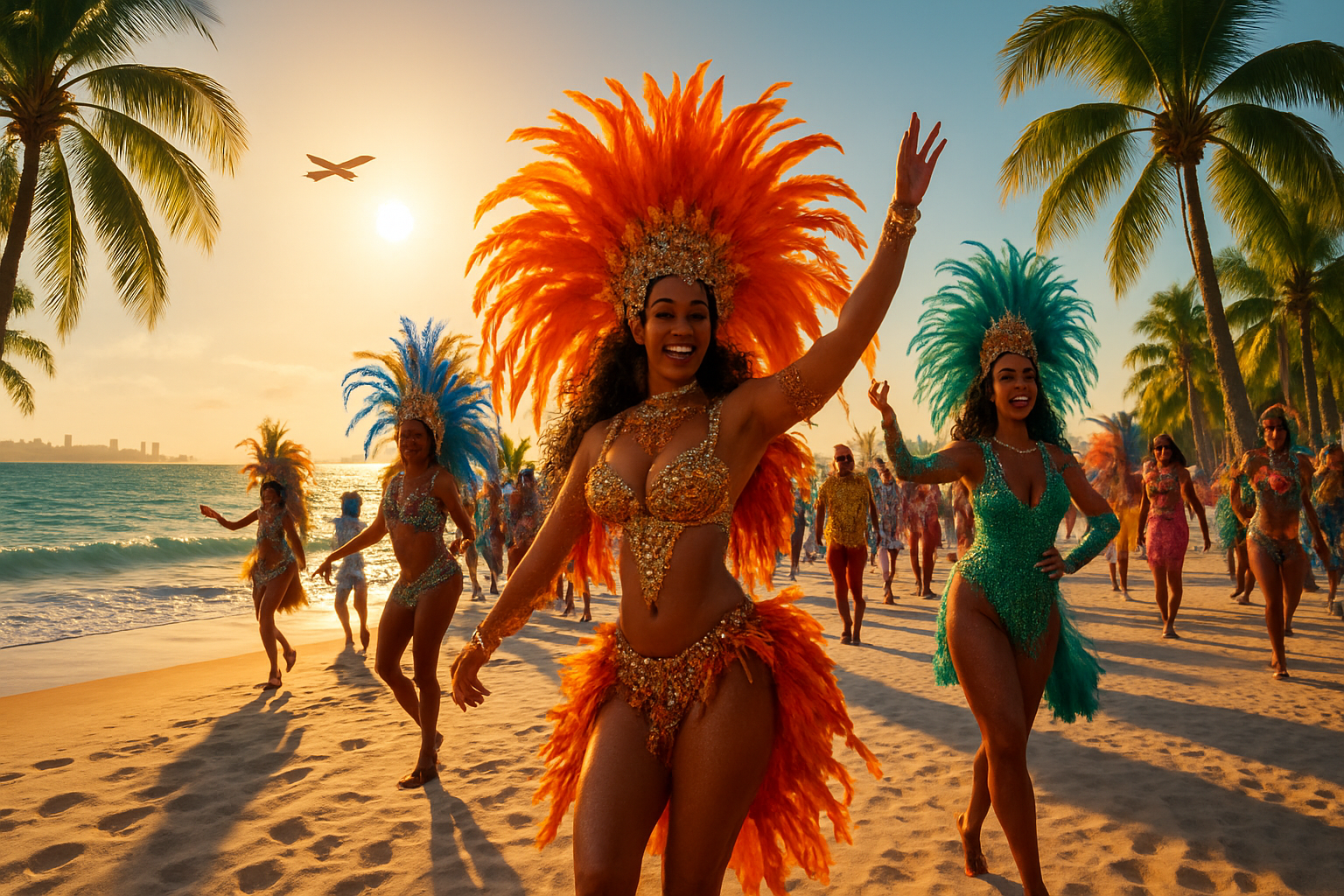
Conclusion & Next Steps
The Northeast is no longer Brazil’s best-kept secret—it’s becoming the destination of choice for discerning travelers seeking authenticity, culture, and unparalleled natural beauty. With Iberia’s new direct flights from Europe landing in Salvador, Recife, and Fortaleza, the barrier to entry has never been lower. You’re no longer enduring lengthy connections through São Paulo or Rio; you’re stepping directly into a world of colonial architecture, pulsating festivals, and some of the planet’s most welcoming communities.
Whether you’re timing your escape for the fever-dream energy of Carnival or the intimate, spiritual celebration of São João, the Northeast rewards those who venture beyond the usual suspects. These are not crowded, over-touristed experiences—they are living traditions where you’ll genuinely interact with locals, taste food prepared with recipes passed down for generations, and witness celebrations that have defined Brazilian culture for centuries.
Book with Intention
Reserve your Iberia flights 8–12 weeks in advance to secure optimal pricing and flight times. Direct routes typically offer a 9-hour journey from major European hubs, positioning you to arrive refreshed and ready to explore. Consider traveling during shoulder seasons—early February for pre-Carnival festivities or late May for São João—when crowds are manageable and rates are more favorable than peak dates.
Plan Your Itinerary Now
Combine multiple cities rather than anchoring yourself to one location. A typical two-week Northeast journey might flow: Salvador (3 nights for Carnival or colonial charm) → Maragogi or Porto de Galinhas (3–4 nights for beach reset) → Recife (2 nights for urban culture) → Jericoacoara (3–4 nights for final wind-down). This approach maximizes the region’s diversity without overextending yourself.
Smart Travel Habits
Familiarize yourself with neighborhoods before exploring—ask your hotel concierge for current guidance on which areas are best for evening walks. Use registered taxis or ride-sharing apps rather than hailing cabs on the street. Keep copies of important documents separate from originals, and use hotel safes for valuables. These habits ensure you remain focused on the experience rather than logistics.
The Window is Now
Direct flights from Europe have historically been sporadic to the Northeast. This Iberia commitment represents a genuine shift in accessibility—take advantage while the routes are fresh, pricing is promotional, and the destination remains refreshingly unspoiled by mass tourism.
Brazil’s Northeast is calling. Not in five years, not “someday”—now. Book your flight, secure your accommodations, and prepare to understand why Brazilians have always known that the real magic lies not in the South, but in the warm embrace of the region where Portuguese colonists first arrived and where the heartbeat of Brazilian culture still drums strongest.