
Introduction
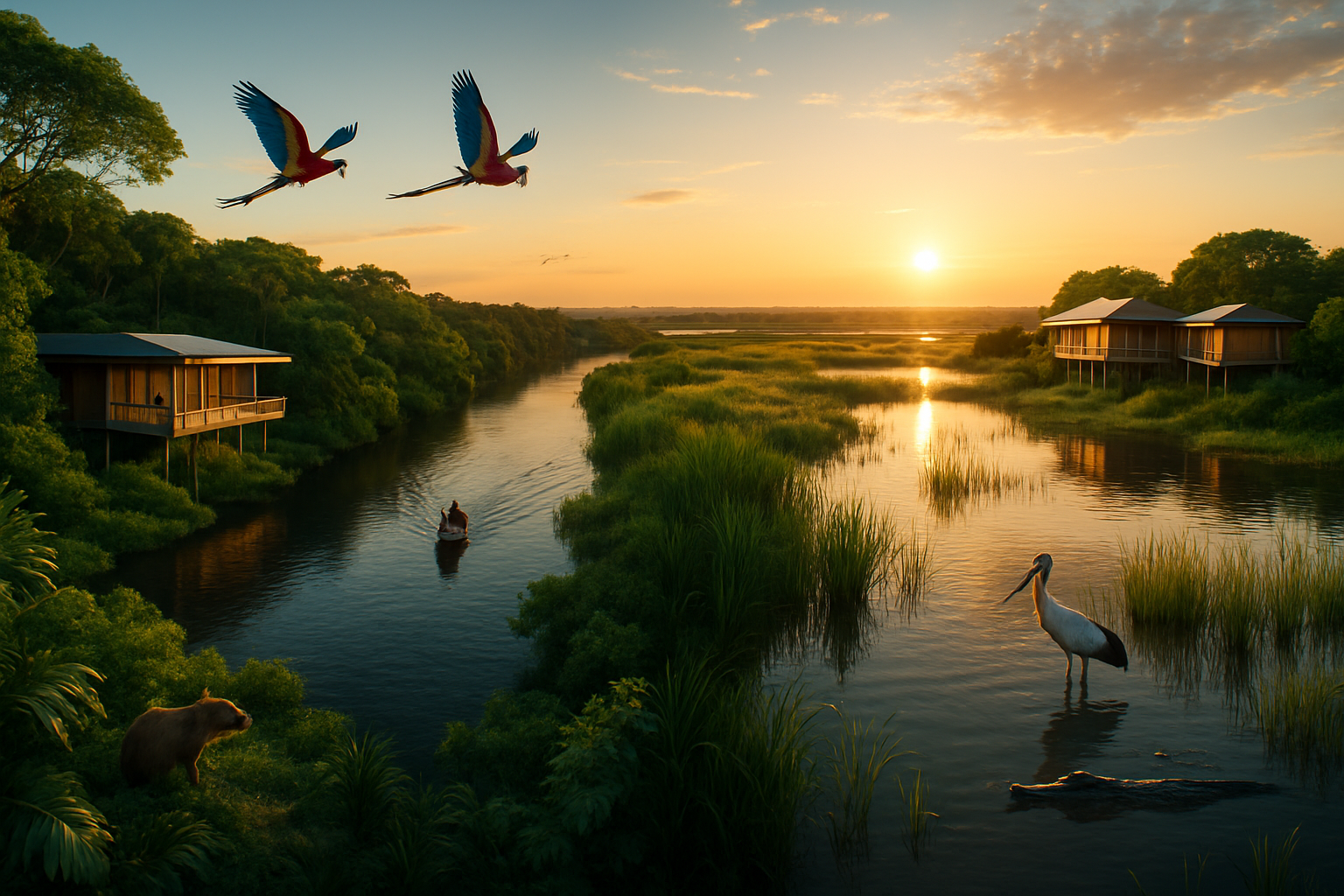
Brazil’s Amazon and Pantanal represent the planet’s most immersive wilderness experiences—and 2026 is the year to experience them with the sophistication they deserve. While eco-tourism has long conjured images of roughing it, a new generation of luxury lodges, expert naturalists, and seamlessly organized itineraries have transformed these regions into destinations where adventure and comfort coexist beautifully.
The Amazon Basin spans nine countries, but Brazil contains roughly 60% of the world’s largest rainforest. The Pantanal, meanwhile, is Earth’s largest tropical wetland—and, counterintuitively, offers the planet’s most accessible wildlife viewing. Together, they form an unparalleled corridor for those seeking transformative encounters with jaguars, pink river dolphins, giant otters, and thousands of bird species, all while staying in thoughtfully designed accommodations that prioritize both environmental stewardship and guest experience.
What makes 2026 particularly compelling is the maturation of infrastructure in these regions. Direct flights from São Paulo and Rio now connect to gateway cities like Manaus and Cuiabá with increasing frequency. Lodge operators have invested in advanced water filtration, renewable energy systems, and world-class cuisine that rivals five-star resorts anywhere. Translation: you’re not sacrificing comfort to witness nature at its most raw and magnificent.
The smart luxury approach to these destinations means traveling during optimal seasons (dry season in the Pantanal runs May–September; Amazon river levels are ideal June–July), booking with operators who employ local guides and contribute meaningfully to conservation, and building itineraries that balance active exploration—canoeing, hiking, wildlife photography—with moments of genuine rest. It means understanding that “luxury” in these contexts isn’t about thread count; it’s about expertise, access, and the freedom to move through these ecosystems without logistical stress.
This guide is designed for discerning travelers who want to experience the Amazon and Pantanal with intention and sophistication. You’ll discover how to navigate seasons, select lodges aligned with your travel style and conservation values, move between regions efficiently, and invest your time where it yields the richest encounters. Whether you’re a seasoned wildlife enthusiast or a first-time eco-adventurer, Brazil’s greatest natural treasures are more accessible—and more rewarding—than you might imagine.
Why This Smart Luxe Eco-Trail Works
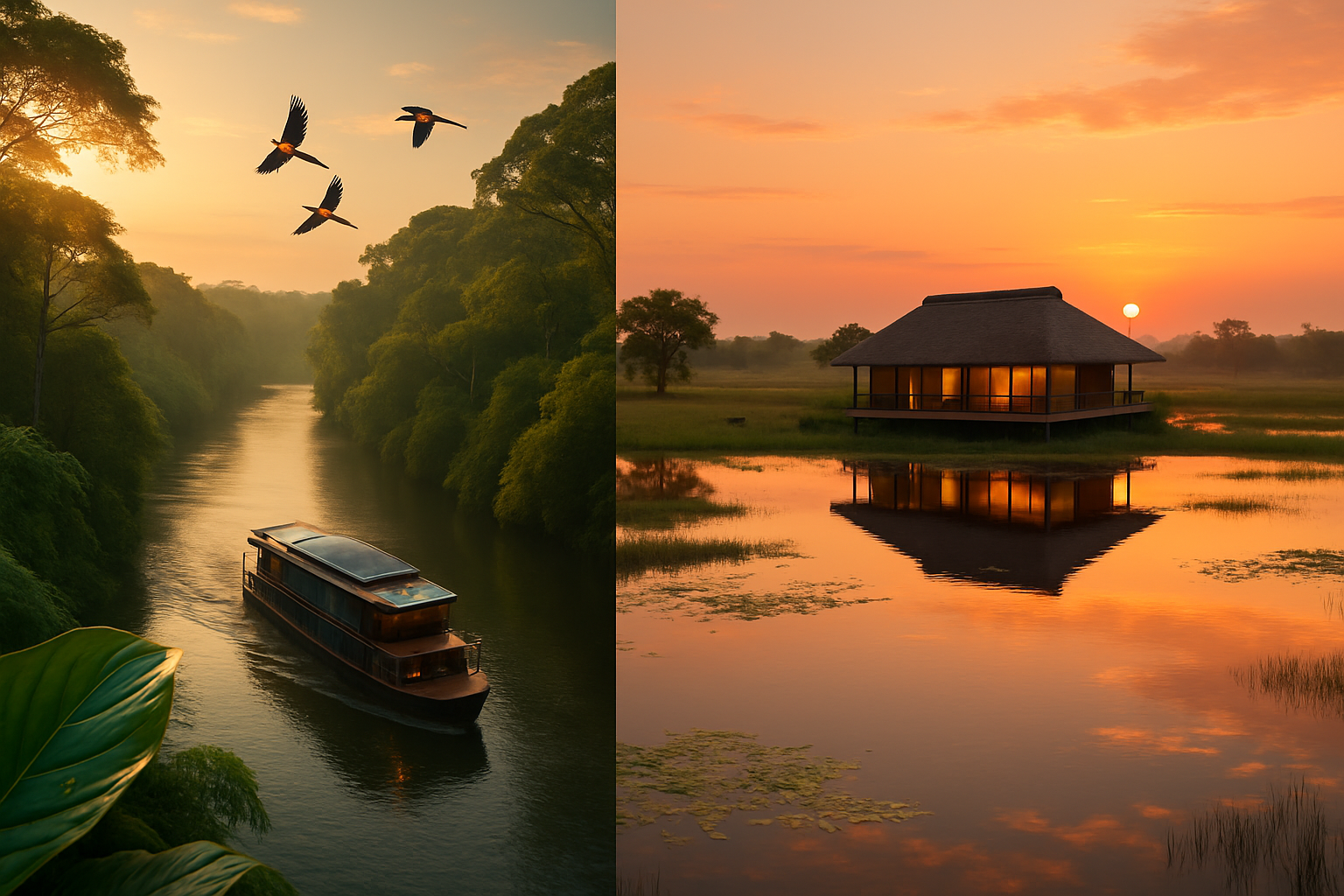
The Amazon and Pantanal represent the pinnacle of experiential luxury travel—two ecosystems that deliver transformative encounters without sacrificing comfort or logistical efficiency. This pairing works because it balances adventure with accessibility, and raw wilderness with curated sophistication.
Unmatched Biodiversity in Manageable Doses
The Amazon basin hosts 10% of all species on Earth, yet modern lodge infrastructure—particularly in the Brazilian Amazon—has evolved to deliver world-class sightings within 2–3 hour guided excursions. You’ll encounter pink river dolphins, jaguars, harpy eagles, and anacondas without enduring multi-week expeditions. The Pantanal, conversely, is Earth’s largest tropical wetland yet remarkably concentrated: wildlife density here surpasses the Amazon. A single boat ride yields caiman, capybaras, giant otters, and jaguar sightings that would require weeks elsewhere. This efficiency means your itinerary maximizes encounters while respecting your time.
Infrastructure That Honors the Environment
Brazil’s premium eco-lodges—from the Cristalino Lodge in the southern Amazon to Araras Ecolodge in the Pantanal—operate under rigorous sustainability certifications. Many are carbon-neutral, employ local guides (creating genuine economic incentives for conservation), and limit guest numbers to preserve ecosystems. This isn’t greenwashing; it’s regenerative tourism. You’re funding habitat protection with every night’s stay.
Streamlined Access & Connectivity
Unlike remote African safaris requiring multiple charter flights, the Amazon-Pantanal corridor is accessible via São Paulo or Rio de Janeiro. From there, domestic flights reach lodge gateways in 2–4 hours. WiFi and modern amenities exist at upscale properties—you can work from the jungle if needed. This matters: you’re not disconnected, you’re strategically unplugged.
The Dual-Ecosystem Advantage
Combining both regions within a single trip showcases evolutionary diversity. The Amazon’s dense canopy and riverine ecosystems contrast sharply with the Pantanal’s open wetlands and seasonal flooding. You’ll observe how species behavior, vegetation, and predator-prey dynamics shift between habitats. This creates narrative richness—your journey becomes educational without feeling like a lecture.
Pro-Tips for Seamless Execution
Book during the dry season (June–September for the Pantanal; year-round for the Amazon, though July–September offers peak jaguar sightings). Hire a naturalist guide from your lodge—not an external operator—to ensure accountability and continuity. Invest in quality binoculars and a telephoto lens; wildlife photography here rewards preparation. Pack high-SPF sunscreen and antimalarial medication (consult your physician; prophylaxis is standard practice for informed travelers).
The Wellness Factor
This itinerary addresses a modern luxury traveler’s unspoken need: purpose. You’re not simply consuming experiences; you’re contributing to conservation while witnessing planetary systems in real-time. That alignment—between pleasure and impact—is increasingly what defines luxury for discerning travelers in 2026.
14-Day Luxury Eco-Itinerary: Snapshot by Day
Days 1–2: São Paulo Gateway
Arrive in São Paulo and acclimate at a luxury hotel in Vila Madalena or Jardins. Use these days to shift time zones, explore world-class museums (MASP, Pinacoteca), and dine at Michelin-starred restaurants. This cushion ensures you arrive at your eco-lodges refreshed and ready.
Days 3–5: Southern Pantanal Deep Dive
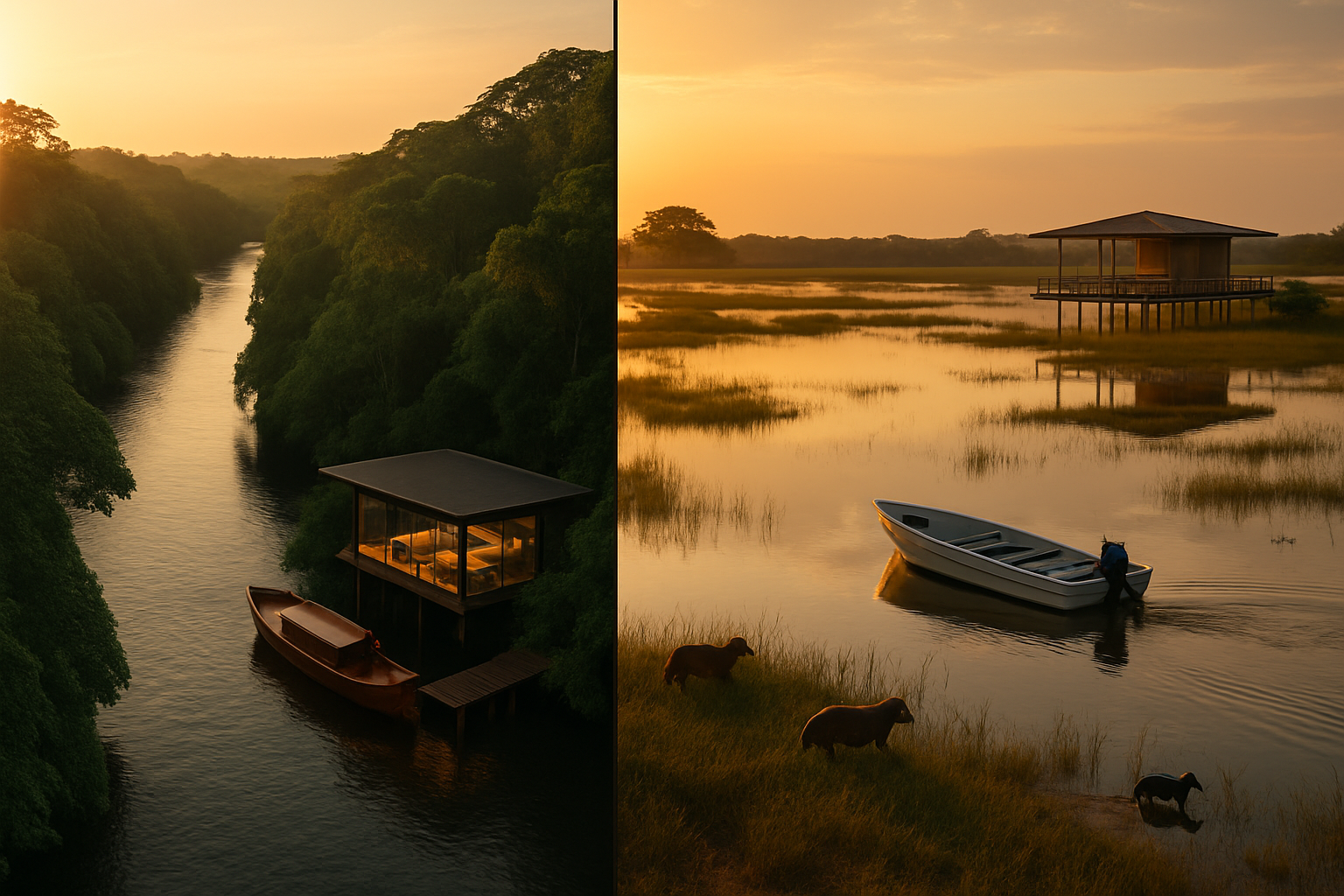
Fly to Campo Grande, then transfer to a luxury eco-lodge in the southern Pantanal (Transpantaneira region). Expect guided wildlife safaris at dawn and dusk—jaguar sightings are most reliable here. Enjoy canoe explorations, birdwatching (over 650 species), and evening naturalist talks. These lodges typically feature open-air suites with plunge pools and solar-powered amenities.
Days 6–7: Pantanal Immersion & River Camps
Move deeper into the wetlands via a private river camp or floating lodge. Participate in guided caiman spotting, piranha fishing (catch-and-release), and macaw clay-lick expeditions. Evening activities include nature photography workshops and stargazing—light pollution is virtually nonexistent here.
Days 8–10: Amazon Rainforest Expedition
Fly to Manaus, then transfer to a luxury riverboat or canopy lodge near the Negro and Solimões rivers. Multi-day jungle treks include visits to indigenous communities (with proper guides and permissions), canopy walks, and pink river dolphin encounters. Lodges offer naturalist-led night walks and medicinal plant workshops.
Days 11–12: Amazon Wildlife Sanctuary
Spend time at a research-affiliated lodge focusing on wildlife rehabilitation and conservation. Participate in ranger-led activities: poison dart frog identification, anaconda tracking, and macaw feeding programs. Many lodges partner with local communities on sustainable practices, offering transparent insight into Amazon stewardship.
Days 13–14: Return to São Paulo & Departure
Fly back to São Paulo for final shopping and dining experiences. Boutique districts like Oscar Freire Street showcase Brazilian design and fashion. Enjoy a parting meal at a farm-to-table restaurant—many source directly from Amazon and Pantanal suppliers.
Pro-Tips for Seamless Travel:
- Book internal flights 6–8 weeks ahead; peak season (July–September) fills quickly.
- Pack lightweight, moisture-wicking clothing, waterproof bags, and reef-safe sunscreen.
- Most lodges provide packed lunches and purified water; confirm dietary needs when booking.
- Register with your embassy before departure for added peace of mind.
- Choose lodges certified by the Sustainable Travel International (STI) or equivalent; they maintain highest safety and environmental standards.
This itinerary balances immersive wilderness experiences with curated comfort—no roughing it, maximum wonder.
Seamless Logistics: Flights, Boats and Transfer Tips
Getting to Brazil’s most remote wilderness requires strategy, but modern infrastructure makes the journey remarkably smooth. The key is understanding your gateway cities and booking transfers with established operators—a practice that transforms logistics from stressful to seamless.
Flight Strategy: Choose Your Gateway Wisely
For Amazon access, São Paulo’s Guarulhos International Airport (GRU) remains your primary entry point, with direct flights from major North American and European hubs. From there, a domestic flight to Manaus (typically 3–4 hours) positions you for river-based exploration. Alternatively, fly into Rio de Janeiro and connect through São Paulo—the extra time investment often yields better flight combinations.
For Pantanal expeditions, Campo Grande (CGR) or Cuiabá (CGB) airports serve as your launchpads. Both cities are 1.5–2 hours from lodge territories, making them ideal for a smoother transition into wetland experiences. Booking domestic flights through Brazil’s established carriers (LATAM, Gol, Azul) ensures reliability and direct connections to regional airports.
Pro-Tip: Arrive a day early in your gateway city. This buffer absorbs jet lag, allows last-minute document verification, and eliminates the risk of missing your connection—essential when connecting to charter flights deeper into wilderness zones.
River Transport: The Heart of Your Journey
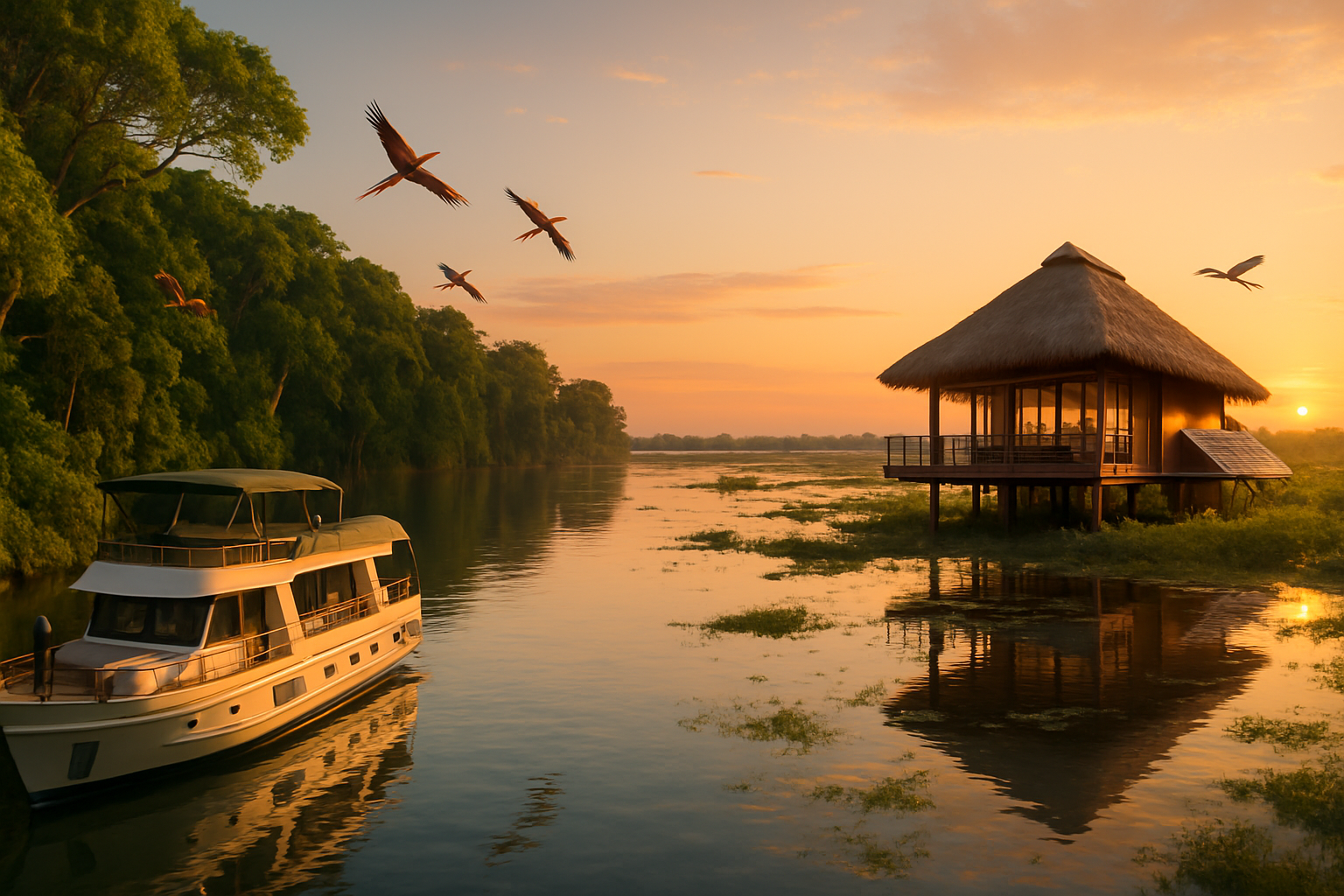
Once in Manaus or your regional hub, river boats become your primary transport. Luxury lodge operators typically arrange transfers aboard private or semi-private vessels, included in package pricing. These aren’t budget speedboats; they’re equipped with comfortable seating, shade, and naturalist guides narrating wildlife en route.
Boat schedules operate on wet-season/dry-season cycles. January through June offers optimal water levels for deep-Amazon navigation. July through December favors Pantanal access, when river systems concentrate wildlife near remaining water sources. Confirm your lodge’s seasonal accessibility before booking flights.
Ground Transfers: The Often-Overlooked Detail
Airport-to-dock transfers require advance coordination. Reputable lodges arrange this directly—you’ll be met by a representative holding your name, transported in air-conditioned vehicles, and delivered with your luggage intact. This isn’t a luxury; it’s a fundamental operational standard.
Smart Travel Habit: Request driver contact information 48 hours before arrival. A quick WhatsApp message confirming pickup time prevents miscommunication and ensures you’re never standing outside an airport terminal wondering what’s next.
Planning Timeline
Book flights 8–12 weeks in advance for optimal pricing and seat selection. Coordinate lodge transfers simultaneously—top operators have limited boat schedules and seats fill predictably during peak season (July–September for Pantanal; January–March for Amazon).
Document requirements—passport validity (six months minimum), travel insurance verification—should be confirmed with your lodge operator at booking. Many high-end operators provide pre-travel checklists that eliminate last-minute surprises.
The logistics framework is established, professional, and designed for comfort. Treat it seriously, book early, and your transition from city to wilderness becomes an extension of your journey’s luxury experience.
Lodges, Guides & Sustainability Standards
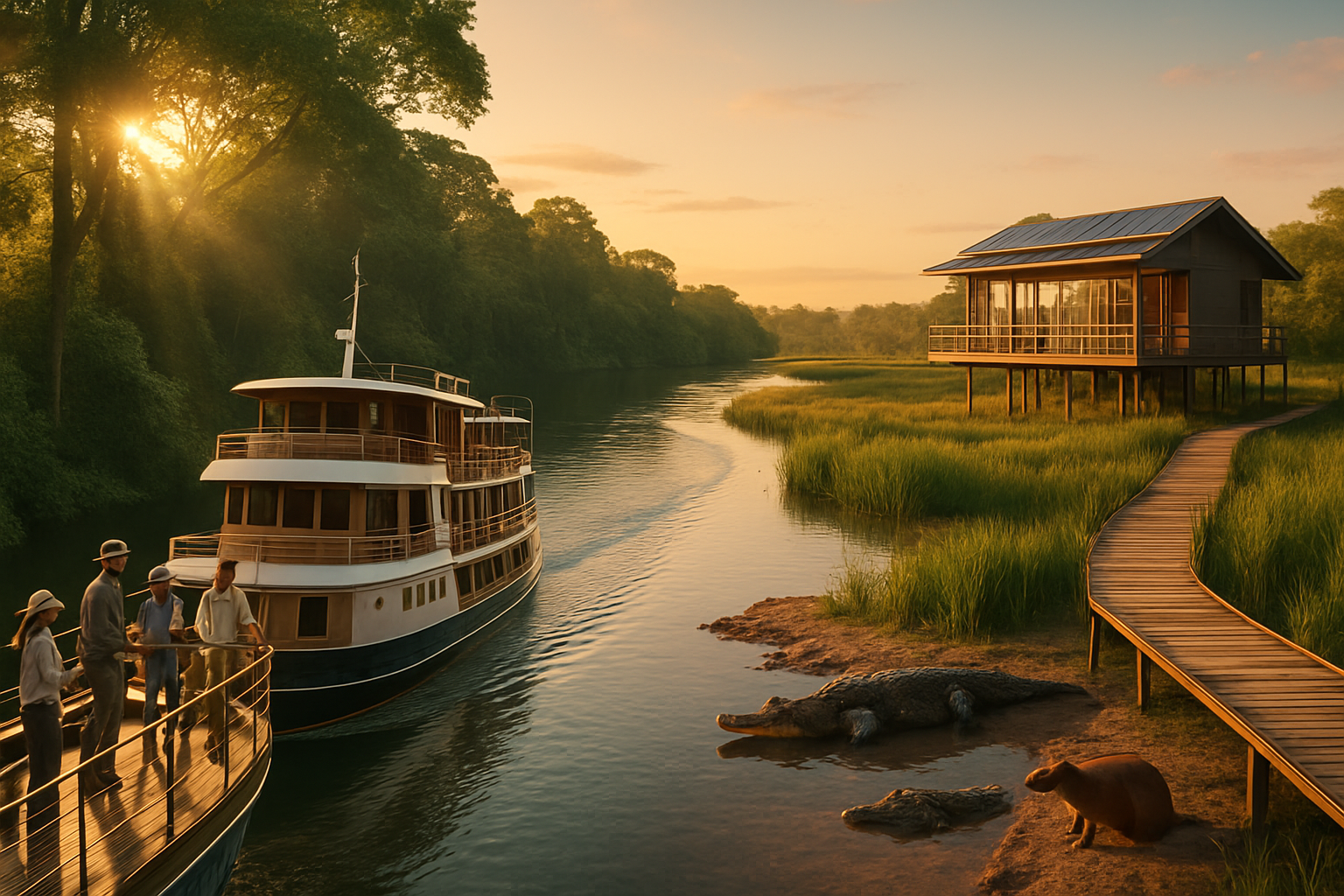
The difference between a memorable eco-lodge experience and a merely comfortable one lies in three pillars: authentic environmental stewardship, expert naturalist guidance, and transparent operational practices. Brazil’s premier Amazon and Pantanal properties now lead the continent in meeting these criteria.
Certification & Accountability
Look for lodges holding Green Globe or Rainforest Alliance certifications—these third-party standards ensure measurable commitments to carbon neutrality, waste management, and community benefit-sharing. Properties like Cristalino Lodge (Mato Grosso) and Aria Amazon (Amazonas) exemplify this approach, publishing annual sustainability reports and limiting guest capacity to protect ecosystems. Expect to pay $400–$800 USD per night at certified luxury lodges; this premium directly funds conservation and local employment.
Guide Expertise as Non-Negotiable
Your naturalist guide will make or break your experience. Brazil’s top properties employ guides with university degrees in biology or ecology, fluent in 2–3 languages, holding current wilderness first-aid certifications. Request guides’ credentials directly when booking—reputable lodges will provide CVs. Small group sizes (6–8 guests maximum) ensure meaningful wildlife observation and personalized attention.
Community Integration & Fair Labor
Sustainable lodges prioritize hiring from neighboring communities, offering competitive wages, professional development, and transparent supply chains. Ask if lodges employ local cooks, boat captains, and maintenance staff—this is not sentimentality but good business that deepens cultural authenticity. Properties that partner with indigenous communities for guided canoe trips or medicinal plant workshops create economic incentives for forest preservation.
Water, Waste & Energy Systems
Visit lodges’ operational hubs before committing. Ask about water sourcing (rainwater harvesting systems are now standard), sewage treatment (sealed systems prevent river contamination), and energy (solar panels with battery backup). The best properties operate on 100% renewable energy and achieve near-zero waste through composting and recycling programs.
Smart Travel Habits for Your Stay
Minimize your footprint by showering briefly (hot water is energy-intensive), reusing towels, and declining daily room cleaning. Bring reef-safe sunscreen and avoid single-use plastics—most lodges provide refillable bottles. When observing wildlife, maintain 10+ meters distance and never feed animals; your guide will enforce this professionally.
Verification Before Booking
Use platforms like The Best Travel Guide to the Amazon (published by Conservation International) or check TripAdvisor’s “Verified Traveler” reviews specifically mentioning sustainability practices. Contact the Brazilian Tourism Board’s sustainability division for the latest certified property list. Request recent guest testimonies about guide quality and lodge upkeep.
Choosing a credentialed lodge isn’t just ethical—it ensures your investment supports the very ecosystems you’ve come to witness, creating a regenerative cycle of conservation through conscious luxury.
Practical Safety, Packing and Budget Essentials
Smart Travel Habits for the Amazon & Pantanal
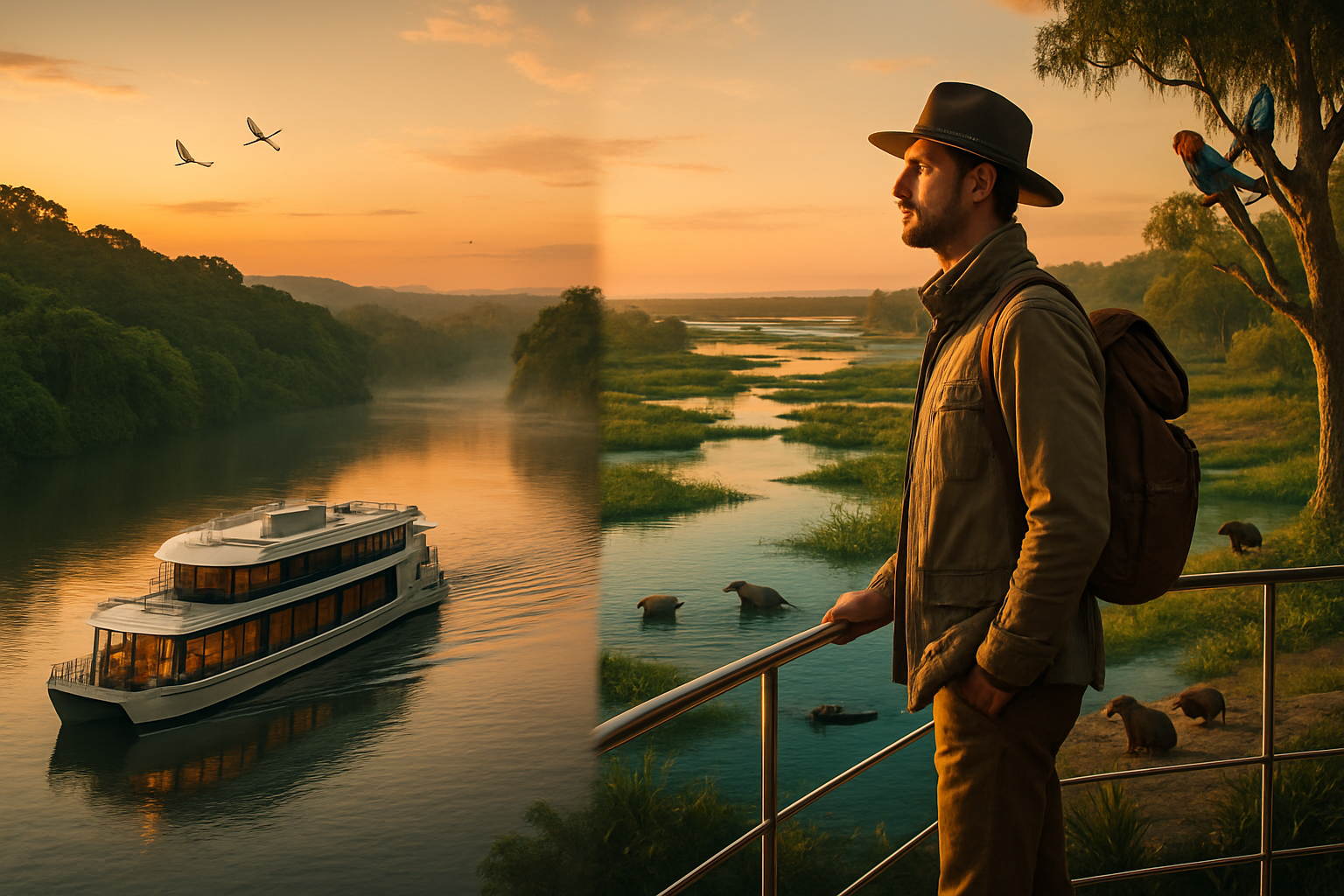
Brazil’s vast wilderness regions operate under the same best-practice framework as any world-class destination. The key is preparation and awareness. Work exclusively with established outfitters and registered guides—firms like Cristalino Lodge (Mato Grosso) and Juma Lodge (Amazon) maintain impeccable safety protocols and employ naturalists trained in emergency response. Always register your itinerary with your embassy before departure, and maintain contact with your lodge’s communication center daily.
Urban transitions (Manaus, Cuiabá, Campo Grande) require standard city smarts: avoid displaying expensive jewelry, keep valuables in hotel safes, and use registered taxis or arrange transport through your accommodation. These brief stopovers are straightforward if you treat them like any major city—which they are.
The Packing Blueprint
The Amazon and Pantanal are unforgiving on specifics. Pack:
- Lightweight, quick-dry clothing in neutral earth tones (reduces insect attraction)
- Wide-brimmed hat and polarized sunglasses (non-negotiable for 12+ hours of water-based activity)
- High-SPF waterproof sunscreen and lip balm with SPF 30+
- Lightweight rain jacket and waterproof dry bag
- Sturdy walking sandals with ankle support (for wet terrain and potential wildlife awareness)
- Binoculars and field notebook (your guide will appreciate your seriousness)
- Prescription medications in original containers (pharmacies in remote areas are limited)
- Travel insurance that covers medical evacuation (non-negotiable)
Leave behind: heavy luggage, excessive electronics, and cologne or perfumed products (they attract insects and disrupt wildlife observation).
Budget Reality for Luxury Eco-Tourism
A 7-day Amazon or Pantanal experience breaks down approximately as follows:
- Lodge accommodation: $250–$600 per night (includes most meals and guided activities)
- Flights to gateway cities: $400–$800 (São Paulo to Manaus; Rio to Campo Grande)
- Internal transfers and guides: $100–$200 per day
- Activities beyond lodge packages: $50–$150 per excursion
Total estimate for one person: $3,000–$5,500 for a week, excluding international airfare.
Smart travelers book during shoulder season (July–August or October–November) for better rates and optimal wildlife viewing without peak-season crowds. Multi-lodge packages offer 15–20% savings compared to single-property stays.
Insurance & Documentation
Secure comprehensive travel insurance that explicitly covers jungle activities, medical evacuation, and trip interruption. Yellow fever vaccination is strongly recommended (not technically required for most nationalities entering Brazil, but lodges will ask). Carry an International Certificate of Vaccination and proof of travel insurance in both digital and printed formats.
Your passport must have six months’ validity; Brazil offers 90-day tourist visas on arrival for most nationalities. Keep two digital copies stored separately from physical documents.
This level of preparation transforms potential friction into seamless experience—the hallmark of truly intelligent travel.
Conclusion
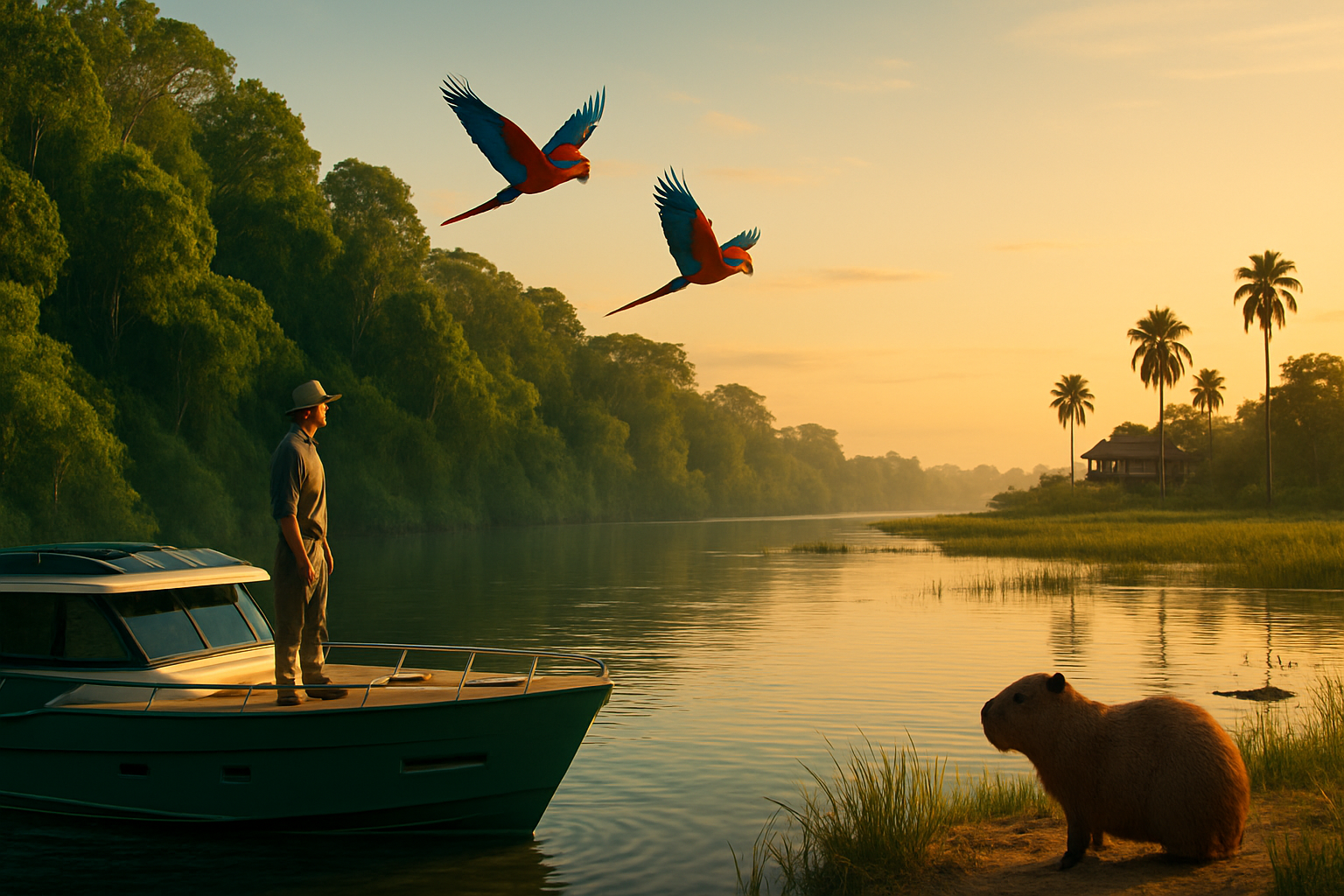
The Amazon and Pantanal represent more than a destination—they represent a shift in how luxury travelers engage with the world. In 2026, this smart luxe eco-trail offers an unparalleled opportunity to experience two of Earth’s most biodiverse regions without compromise: pristine wilderness paired with world-class accommodations, expert naturalists, and the kind of curated experiences that transform casual tourism into meaningful exploration.
What sets Brazil apart is its commitment to sustainable luxury. The lodges and operators working across the Amazon and Pantanal have invested heavily in conservation infrastructure, employing local guides who hold generational knowledge and ensuring that your presence directly funds habitat protection. This is luxury travel that doesn’t deplete—it restores.
For the discerning traveler, the practical case is equally compelling. A 10-day immersion—combining three nights in the Amazon and four in the Pantanal, with private boat transfers and expert-led excursions—represents exceptional value within the luxury segment. You’re accessing experiences that rival African safari circuits at comparable or lower price points, with significantly fewer crowds and fresher air literally included in the package.
The logistics, once a barrier, are now seamless. Direct flights from São Paulo and Rio to regional hubs like Manaus and Campo Grande have improved considerably. Most premium operators handle transfers, meals, and permits entirely, meaning you arrive ready to observe, not organize. The infrastructure is here; the only question is your readiness to experience it.
As global travelers become more intentional about where and how they spend time, Brazil’s eco-regions offer the perfect answer: adventure backed by infrastructure, wilderness anchored by expertise, and impact rooted in real conservation. The Amazon and Pantanal in 2026 aren’t a test of endurance—they’re a masterclass in thoughtful travel.
Pack your binoculars, trust the expertise of your guides, and prepare for the kind of journey that doesn’t just change your passport—it changes your perspective. The rainforest and wetlands are waiting, and they’ve never been more ready to welcome you.