
Introduction
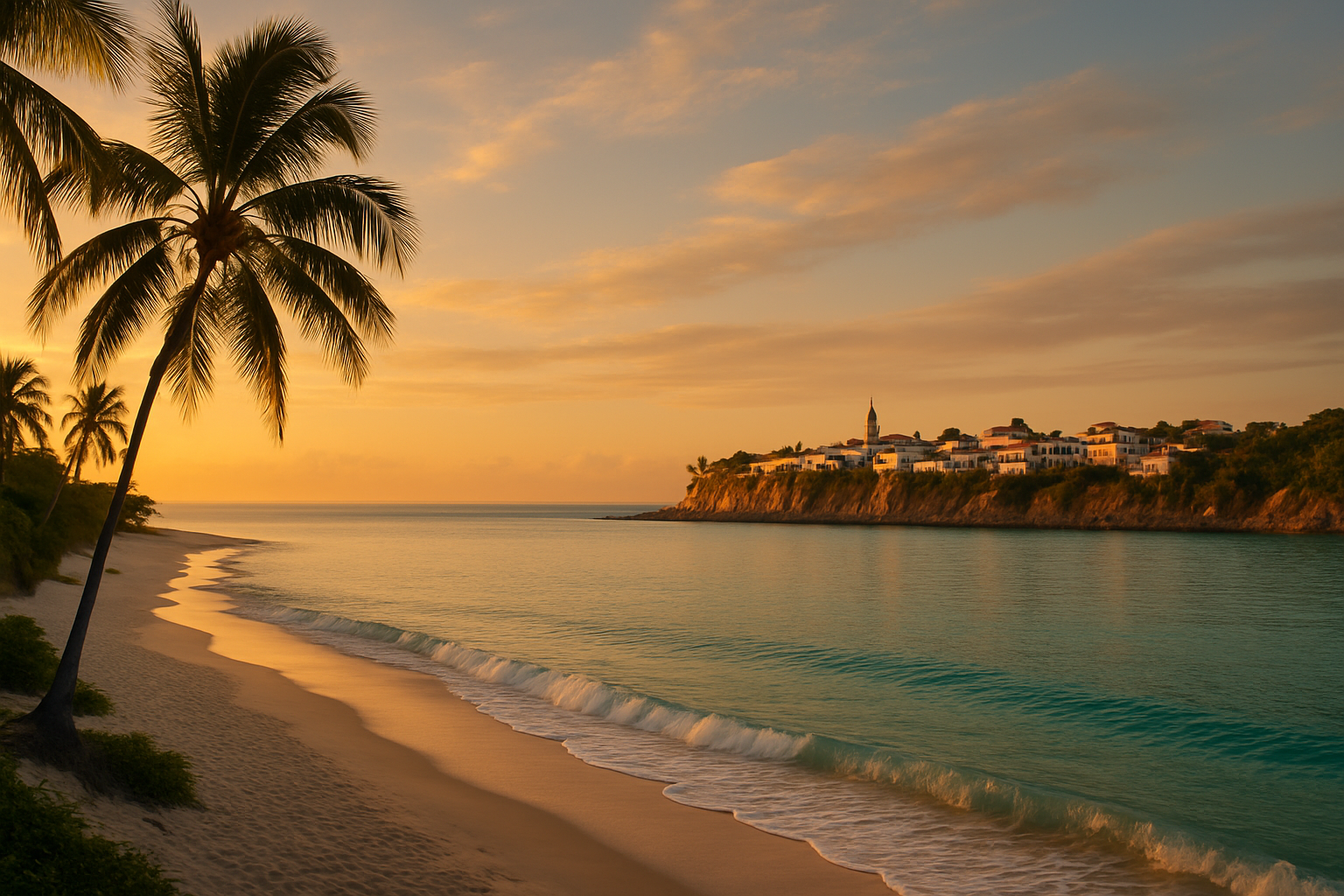
Brazil’s Northeast—a 1,600-kilometer stretch of Atlantic coastline punctuated by colonial cities, world-class beaches, and a cultural richness that rivals anywhere on Earth—remains gloriously uncrowned. While Rio de Janeiro commands the spotlight, the Northeast invites you into something more authentic: a region where 14 days unlocks genuine connection rather than rushed tourism.
This region, known locally as the Nordeste, comprises nine states brimming with distinct identities. You’ll find yourself in Bahia’s candlelit plazas where Portuguese colonial architecture whispers centuries of history. You’ll taste the spice-forward cuisine that defines Brazilian food culture. You’ll swim in waters so luminous they seem almost unreal. Most importantly, you’ll move through these experiences at a pace that allows them to settle into memory—not just your camera roll.
The numbers tell part of the story: international flights to Salvador or Recife typically run $400–$800 from major US hubs (off-peak), and daily costs for mid-range travelers hover around $60–$100 once you’re on the ground. The Northeast is genuinely affordable without sacrificing quality. A beachfront dinner with fresh seafood, a caipirinha, and sunset views costs a fraction of what you’d pay in Rio or São Paulo. Boutique pousadas—charming, locally-owned guesthouses—offer personality and authenticity that chain hotels simply cannot match.
Why skip Rio and choose the Northeast instead? Simplicity. Infrastructure. Breathing room. The Northeast has invested heavily in tourism corridors over the past decade, meaning roads are well-maintained, English-language signage is increasingly common in tourist areas, and local guides are exceptionally trained. You won’t feel like you’re roughing it; you’ll feel like you’ve discovered something before the crowds inevitably arrive.
This itinerary assumes you’re visiting during the dry season (September–March), when weather is cooperative and regional festivals—from Carnival in Recife to smaller celebrations in colonial towns—create genuine cultural immersion. It skips the obvious photo-ops in favor of experiences: a cooking class in a local home, a sunrise boat ride through mangrove forests, a night in a pousada run by a third-generation family. It prioritizes staying in three bases—Salvador, the Jericoacoara region, and Porto de Galinhas—rather than moving daily, allowing you to actually inhabit these places rather than pass through them.
You’re about to spend two weeks in one of the world’s most underrated destinations. The Northeast doesn’t need to be conquered or checked off a list. It invites you to slow down, pay attention, and understand why Brazilians themselves return here again and again.
Why This Route Works: Pace, Connections and Priorities
The Northeast corridor—spanning Bahia, Pernambuco, and Ceará—offers the rare advantage of being well-connected yet genuinely unhurried. Unlike the Rio-São Paulo circuit, you’ll experience Brazil’s rhythm without the crush of mass tourism, while still enjoying reliable infrastructure, direct flights, and excellent regional connections.
The Pace Sweet Spot
Fourteen days across three states allows you to spend 4–5 days in each major hub, eliminating the exhaustion of constant movement. You’ll have time to develop genuine relationships with neighborhoods, return to a favorite restaurant, take a morning swim without rushing to the airport. This pace also lets you navigate like a local rather than a tourist—discovering second-day details that transform a destination from “seen it” to “lived it.”
Air Connectivity That Works
Salvador (Bahia) serves as your entry point via major international hubs in São Paulo or Miami. From there, domestic flights to Recife (Pernambuco) and Fortaleza (Ceará) are frequent, affordable (typically R$150–300/$30–60 USD per flight), and take 1–2 hours. This means no 12-hour bus journeys—you preserve energy for exploration, not transit. Regional buses between smaller towns remain an option for shorter hops and immersive travel, but the major transitions by air keep momentum steady.
Geographic Logic Reduces Backtracking
The Northeast naturally sequences south to north: Salvador’s colonial richness → Recife’s cultural depth and beach towns → Fortaleza’s coastal serenity and dune landscapes. You’re moving progressively inland and northward, never doubling back. This linear flow means your luggage moves once or twice, not five times.
Infrastructure That Supports Independence
You’re not roughing it. Main cities have English-speaking tourism staff, reliable ATMs, ride-sharing apps (Uber, Beat), and restaurants ranging from street food to Michelin-adjacent dining. Internet is solid. Pharmacies are abundant. Medical facilities in Salvador and Recife are excellent. This infrastructure gives you the freedom to be spontaneous—to change plans, wander neighborhoods, or extend a stay—without logistical anxiety.
Priorities Aligned With the Season
This itinerary assumes you’re traveling during Brazil’s dry season (September–March), when rainfall is minimal and water temperatures hover around 27–28°C (80–82°F). You’ll experience optimal beach and festival conditions without the January peak-season saturation or May–August cooler temperatures that can interrupt beach time.
The Authenticity Advantage
By skipping Rio, you’re choosing substance over icon. The Northeast has spent decades as Brazil’s heart—its music (forró, tropicália), its Afro-Brazilian heritage, its culinary traditions, its street art. Tourism here supports local economies directly rather than feeding into global resort machinery. You’ll eat at family-run restaurants, sleep in locally-owned pousadas, and spend money in communities where it genuinely matters.
The 14-day window is neither rushed nor indulgent. It’s precisely calibrated to feel immersive without requiring you to abandon comfort, and to deliver cultural depth without demanding a sabbatical.

14-Day Day-by-Day Itinerary (Three Stops, Smart Travel Days)
This itinerary balances immersion with practicality, spacing travel days strategically to maximize rest and minimize fatigue. Three distinct hubs—Salvador, Maragogi, and Recife—anchor your journey through Brazil’s most authentic coastal and cultural landscape.
Days 1–5: Salvador (Bahia)
Arrival & Orientation (Day 1)
Fly into Salvador’s Deputado Luís Eduardo Magalhães International Airport. Transfer directly to your accommodation in the historic Pelourinho district or upscale Barra neighborhood. Day 1 is for settling in, light exploration of your immediate surroundings, and a sunset walk along the coast.
Cultural Deep-Dive (Days 2–4)
Day 2: Early morning visit to Mercado Modelo for local crafts and fresh açaí. Afternoon: São Francisco Church and the cobblestone streets of Pelourinho. Evening: Live music at a roda de samba in the old town.
Day 3: Day trip to Maragojipe (40 minutes inland) or relax at Farol da Barra beach. Alternatively, take a culinary tour through Salvador’s Afro-Brazilian food scene—essential context for understanding the region’s soul.
Day 4: Visit Forte de Santo Antônio da Barra at sunrise. Afternoon massage or wellness activity to recharge before travel. Evening: dinner in Barra with ocean views.
Days 6–10: Maragogi (Alagoas)
Travel Day (Day 6)
Early morning flight or scenic 6-hour drive (via Linha Verde highway) to Maragogi. This compact beach town is your reset—think crystalline natural pools, fewer crowds than famous northeastern destinations, and exceptional fresh seafood at fair prices.
Beach & Leisure (Days 7–9)
Day 7: Settle in. Rent a buggy or join a guided tour to the natural pools (piscinas naturais) 2–6 km offshore—calm, warm, and home to tropical fish. Cost: approximately R$120–180 per person.
Day 8: Full-day beach immersion. Visit Praia do Francês or stay put. Book a beachfront lunch at a pousada restaurant; expect R$50–80 per person for fresh grouper or lobster.
Day 9: Morning kayaking or snorkeling. Afternoon: spa treatment or simply read at your pousada. This is deliberate slowness—the Northeast’s greatest luxury.
Days 11–14: Recife & Olinda (Pernambuco)
Travel Day (Day 11)
1.5-hour drive north to Recife. Check in; explore the Marco Zero district and historic waterfront.
Culture & Coast (Days 12–13)
Day 12: Morning in Recife’s museums or street art scene. Afternoon: train or 45-minute drive to Olinda, a UNESCO-listed colonial gem. Explore steep cobblestone streets, artisan studios, and sunset from Alto da Sé viewpoint.
Day 13: Beach day at nearby Porto de Galinhas (45 minutes south)—pristine sand and calm waters. Alternatively, spend the full day in Olinda’s galleries and cafés.
Departure (Day 14)
Morning flight home or extend into Recife’s food and music scene. Final breakfast should feature tapioca, fresh fruit, and strong café com leite.

Booking, Budgeting and Where to Stay
The Northeast offers exceptional value without compromising on experience—a rare combination that makes it ideal for first-timers seeking authentic immersion. Strategic booking decisions in this region yield significant returns, both financially and experientially.
Timing Your Bookings for Maximum Value
Book accommodations 6–8 weeks in advance during shoulder seasons (April–May and September–October) to secure 20–30% discounts compared to peak summer rates. These windows deliver perfect weather, smaller crowds, and genuine interactions with locals. Direct hotel websites often undercut aggregators by 10–15%, particularly for boutique pousadas in Olinda, Jericoacoara, and Lençóis Maranhenses.
Accommodation Strategy by Region
Recife & Olinda: Mid-range pousadas ($60–$120/night) in Olinda’s historic Carmo neighborhood offer character and walkability. Book Casa Severina or similar heritage conversions for design, breakfast, and owner expertise.
Jericoacoara: Eco-lodges ($70–$150/night) balance sustainability with comfort. Avoid beachfront during peak season; slightly inland options save 25% while maintaining access to dunes and lagoons.
Lençóis Maranhenses: Base yourself in Barreirinhas ($50–$90/night) rather than São Luís. Local guesthouses partner directly with guides, reducing middleman markups on excursions by 30%.
Salvador: The Pelourinho district attracts premium pricing; consider Barra neighborhood ($80–$140/night) for superior restaurants and Afro-Brazilian cultural centers with better value.
Daily Budget Framework
Expect $90–$150 per person daily (mid-range comfort):
- Accommodation: $70–$110
- Meals: $15–$25 (street food to casual restaurants)
- Activities & guides: $40–$60 (many attractions are free: beaches, historic centers, street markets)
Internal flights between hubs cost $80–$150 and save 12+ hours of bus travel—a worthwhile efficiency investment. Book these 3–4 weeks ahead.
Smart Booking Habits
Book guides through your accommodation rather than street touts or tour company storefronts. Pousada owners vet operators personally and often negotiate rates 15–20% lower than walk-in pricing. Request English-speaking guides when booking; this prevents day-of surprises.
Lock in activity pricing upon arrival. Lagoon tours, dune expeditions, and cultural walks fluctuate based on group size. Booking directly with guides the evening before allows flexibility and better rates than pre-booked packages.
Use regional apps like 99 (Brazil’s Uber equivalent) for intercity travel—frequently cheaper and more reliable than traditional taxi services. Download Wise or Remitly for currency exchange; rates beat airport kiosks by 8–12%.
The Northeast Advantage
This region’s lower tourist saturation means your dollar stretches further while quality increases. A $100-per-night pousada here delivers what costs $200+ in Rio or São Paulo. You’re not compromising; you’re leveraging geography and timing to elevate the experience while maintaining financial discipline.

Hidden Gems, Exclusive Access and Crowd-Beating Strategies
The Northeast’s most rewarding experiences exist beyond the postcard moments. Rather than joining the queues at Recife’s main beaches, venture to Praia de Carne de Vaca near Tamandaré—a 45-minute drive south—where turquoise pools form at low tide and the beach remains refreshingly untouched. Local operators offer private reef-snorkeling excursions (R$150–250 per person) that rival anything in the Caribbean, without the crowds.
Time Your Movements Like a Local
Arrive in major cities on Tuesday or Wednesday, when both accommodations and attractions operate at optimal capacity with minimal tourist saturation. Olinda’s colonial streets are transcendent before 10 a.m.; plan your exploration accordingly. This simple reframing—traveling against the weekend grain—yields dramatically different experiences and often 15–25% better rates on boutique hotels.
Sacred & Cultural Access
Skip the tourist loops entirely and contact Instituto de Cultura do Recife directly for permission to access working artist studios in Pina and Boa Viagem neighborhoods. The conversations you’ll have with ceramicists and painters—many offering informal studio visits for R$50–100—become the stories that outlast any museum. These authentic encounters require advance outreach (a single email in Portuguese or English opens doors), but yield incomparable cultural depth.
Regional Navigation Pro-Tips
Embrace regional buses over tourist shuttles. A BlaBlaCar or local intercity bus (Guanabara, Real Maceió) between Recife and Maceió costs R$35–50 versus R$120+ for hotel-arranged transfers. You’ll meet Brazilian families, hear regional accents, and arrive feeling like a traveler, not a tourist.
Leverage WhatsApp-based local guides. Platforms like Airbnb Experiences are useful, but many exceptional guides operate independently through community networks. Ask your hotel concierge for personal recommendations; you’ll often pay R$200–400 for a private 4-hour experience versus R$600+ through corporate platforms.
Exclusive Coastal Experiences
The limestone cliffs at Maragogi’s Galés de Maragogi remain beautifully underdeveloped. Hire a private jangada (traditional fishing boat) directly from locals for R$300–400 for four hours—negotiate at the beach—rather than booking through intermediaries. You’ll snorkel pristine coral formations and share lunch with your captain’s family at a beachside shack serving fresh lobster and cassava bread for under R$80 per person.
Advance Booking Strategy
Reserve accommodations in secondary cities (Olinda, Maceió, Caruaru) 8–10 weeks ahead during high season (December–February), but leave daily activity bookings flexible. This balance grants access to the best properties while maintaining spontaneity for serendipitous discoveries—the neighborhood festa, the impromptu cooking class, the unscheduled sunset that transforms your entire trip.
Final Insight: The Northeast rewards the curious and flexible traveler. By shifting your arrival patterns, embracing regional transportation, and activating local networks, you’ll access experiences that feel impossibly intimate—and remain entirely within reach for the first-time visitor.

Conclusion and Next Steps
Brazil’s Northeast is not a consolation prize for travelers who can’t reach Rio—it’s a revelation. Over 14 days, you’ve moved beyond the postcard version of Brazil into its most authentic, vibrant heart: the colonial soul of Recife, the bohemian energy of Olinda, the timeless rhythms of Maragogi, the cultural depth of São Luís, and the raw beauty of Lençóis Maranhenses. You’ve experienced world-class beaches without the crush, tasted regional cuisine that predates contemporary Brazilian trends, and connected with a region that rewards curiosity with warmth.
Before You Book
Lock in your dates strategically. The sweet spot is August through November or February through April, when humidity drops and the region feels most alive. Skip December through February if crowds matter to you; it’s peak season. Use Google Flights with flexible dates enabled to catch regional deals—Recife and São Luís often have lower fares than Rio or São Paulo.
Secure accommodations early. The boutique pousadas and beachfront properties highlighted in this itinerary book 2–3 months ahead, particularly around Carnival (late February/early March) and summer holidays. Mid-range hotels in Recife and São Luís offer excellent value and reliability if luxury pousadas are full.
Smart Travel Habits to Implement
Use registered taxis or ride-share apps (Uber operates reliably in major cities) rather than street hails. Stick to established neighborhoods in Recife and São Luís after dark; ask your hotel staff for current neighborhood guidance. Keep copies of your documents separate from originals. Withdraw reais from ATMs in commercial areas rather than side streets. These aren’t warnings—they’re the same habits you’d practice in any dynamic city.
Make It Personal
This itinerary is a skeleton; your experience is the flesh. If you’re drawn to street art, spend an extra day in Recife’s Pina neighborhood with a local guide. If marine conservation moves you, book a longer stay in Maragogi and connect with local turtle-protection initiatives. If music is your entry point, time your trip around local festivals—each city has distinct rhythms and celebrations that commercial tourism hasn’t yet flattened.
The Bigger Picture
The Northeast feeds Brazilian identity but remains overlooked by first-time visitors. By choosing this path, you’re not just traveling smarter—you’re supporting communities and local economies that deserve global attention. Your presence, your curiosity, and your willingness to venture beyond well-worn trails matter.
Start planning now. Check visa requirements (most US, EU, and Commonwealth citizens need a visa; apply 2–3 months ahead). Book your first three nights in Recife, then let the itinerary breathe. This region doesn’t rush, and neither should you.
Brazil’s Northeast is waiting. Go.