
Introduction
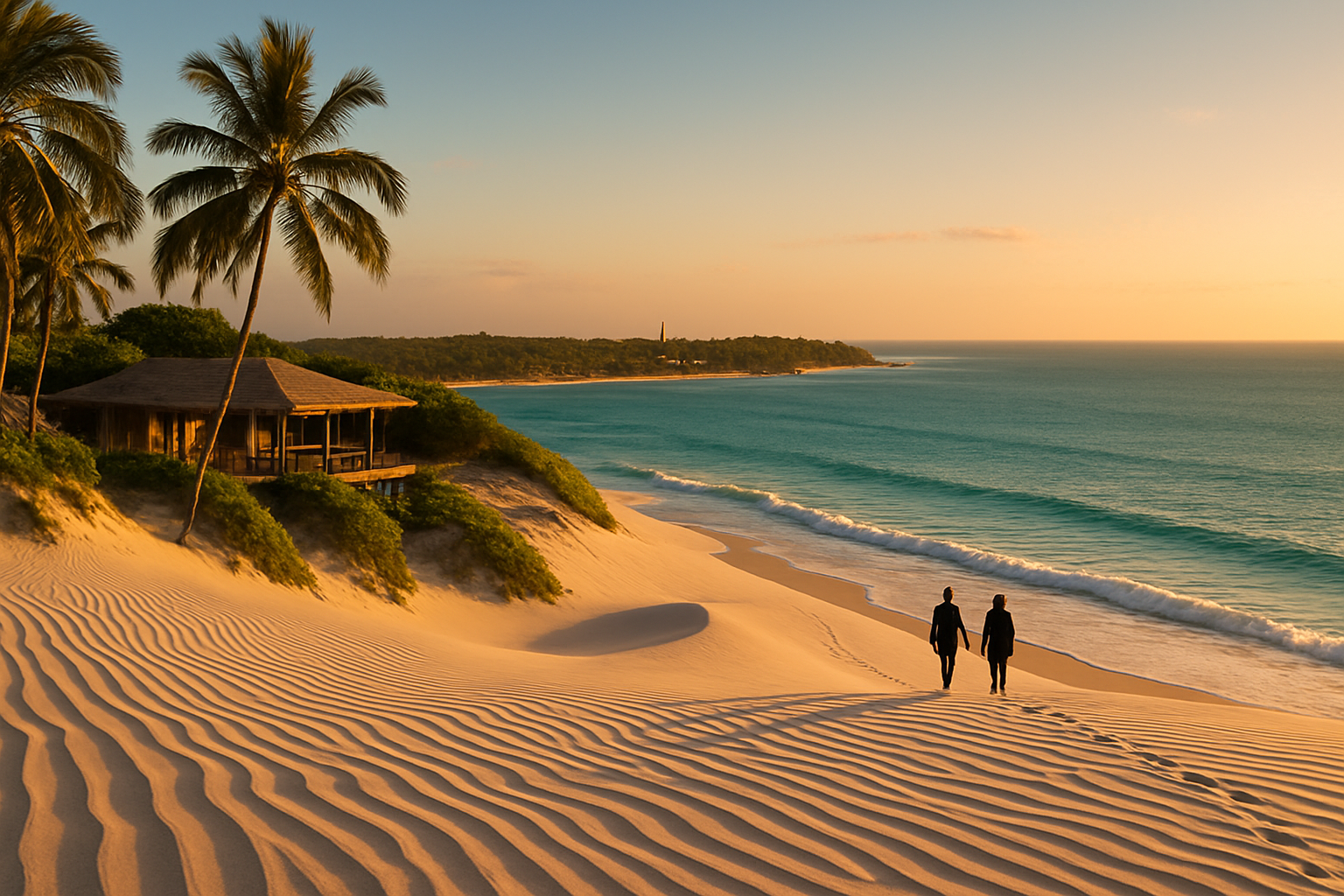
January in Brazil is a masterclass in contradiction—it’s the height of summer in the Southern Hemisphere, yet it remains one of the continent’s most underrated travel windows. While Europeans and North Americans flock to predictable Caribbean beaches, savvy travelers are discovering that Brazil’s Northeast coast offers something far more compelling: unfiltered culture, world-class beaches, genuine warmth, and the kind of luxury that feels earned rather than imposed.
The Northeast—spanning states like Bahia, Pernambuco, and Ceará—operates on a different rhythm entirely. January here means warm ocean temps (around 28°C/82°F), low rainfall, and a post-holiday sweetness where you’ll encounter fewer international tourists than in summer’s peak. Local festivals are in full swing, colonial architecture glows in golden afternoon light, and beachside towns haven’t yet surrendered their authenticity to overdevelopment.
This route prioritizes three essential pillars: cultural immersion, ecological integrity, and understated luxury. We’re talking about staying in eco-lodges where sustainability isn’t marketing speak but operational philosophy. We’re exploring UNESCO-listed towns where cobblestone streets tell stories of Portuguese colonization and African heritage. We’re swimming in waters protected by marine reserves, dining on fresh seafood prepared by chefs who source within their neighborhoods, and moving at a pace that actually allows you to breathe.
The Northeast also represents extraordinary value for discerning travelers. A night in a five-star beachfront property rarely exceeds what you’d pay for mid-tier accommodations in Miami or the Caribbean. This isn’t budget travel—it’s intelligent travel. Your dollar, euro, or pound stretches considerably further, allowing you to invest in experiences rather than just accommodation.
What makes January particularly strategic is the alignment of weather, culture, and accessibility. The rainy season doesn’t fully arrive until April, meaning you’ll encounter reliably clear skies and calm seas. Simultaneously, you’re traveling during Brazil’s peak summer social calendar—think beach parties in Salvador, music festivals in Recife, and street celebrations that pulse with genuine local energy rather than packaged tourism.
This guide assumes you’re looking for more than beach chairs and piña coladas. You want to understand how a region shaped by sugar plantations, slave trade, and indigenous heritage has evolved into one of the world’s most vibrant, resilient cultures. You want to support communities directly. You want your presence to matter.
The Northeast corridor—Salvador to Recife to the smaller colonial towns and hidden beach villages between—offers precisely this. It’s accessible, organized, and deeply rewarding for those willing to move beyond resort life. January is your moment to experience Brazil not as a postcard, but as a living, breathing destination where every decision about where you stay and what you support genuinely matters.
Quick 9–11 Day Route at a Glance
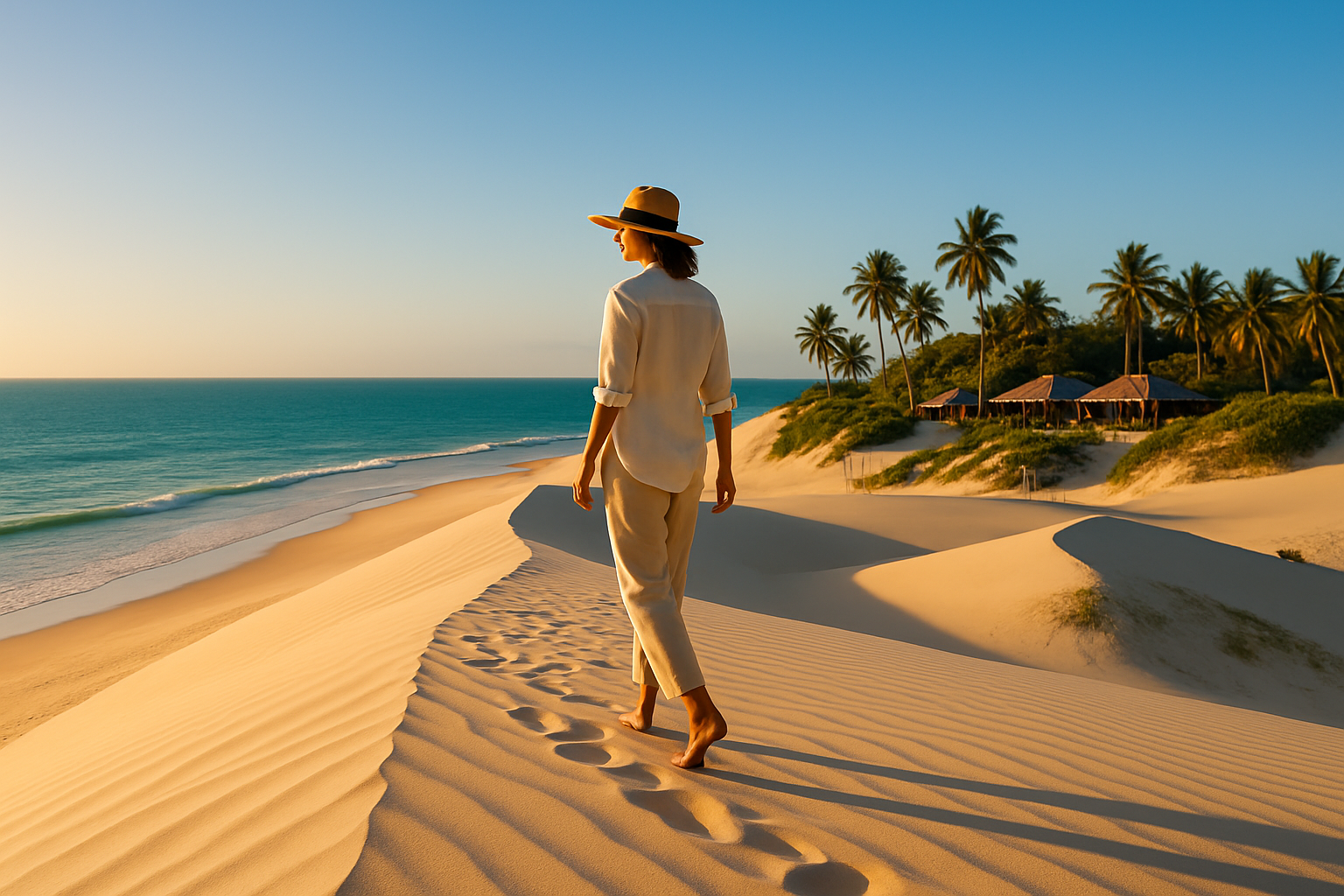
This itinerary balances beach relaxation, cultural immersion, and eco-conscious exploration across Brazil’s most compelling Northeast destinations. Whether you travel for nine days or extend to eleven, you’ll experience the region’s signature blend of Atlantic sophistication and bohemian warmth.
Days 1–3: Salvador, Bahia
Arrive in Brazil’s colonial heart. Spend your first day acclimatizing in the UNESCO-listed Pelourinho district—wander the pastel-colored streets, visit the Museu Afro Brasileiro, and dine at a beachfront restaurant in Barra as the sun sets over the Atlantic.
On days two and three, take a guided boat tour to the Baías de Todos os Santos (All Saints’ Bay) or venture inland to the Recôncavo region to experience cacao plantations and Afro-Brazilian spiritual sites. Budget $120–180 per person for guided excursions. Stay in the Barra or Vitória neighborhoods for proximity to restaurants and galleries.
Days 4–6: Maragogi, Alagoas
Travel by domestic flight or six-hour drive south to this coastal gem—a low-key alternative to Recife. Days here are devoted to natural pools, snorkeling, and hammock time. Book a half-day catamaran tour to offshore pools ($60–90 per person); the water is gin-clear and teeming with tropical fish.
In the evening, explore the town’s growing food scene, where chefs highlight local seafood and regional fruits. Stay at an eco-lodge or pousada; rates range from $80–150 per night for mid-range comfort.
Days 7–9: Tamandaré & Porto de Galinhas, Pernambuco
Head to this quieter stretch of coast for marine protection zones and off-the-radar charm. Tamandaré is home to coral reefs and the Manatee Project—a conservation initiative where you may spot these gentle creatures in their natural habitat.
Continue to nearby Porto de Galinhas for its famous tidal pools and beach clubs. Rent a jangada (traditional wooden raft) for $30–50 and drift to natural pools; the experience is quintessentially Northeast Brazilian.
Days 10–11 (Optional): Recife & Olinda
If extending to eleven days, return north to Recife for museums, street art, and Carnival preparations (if traveling in January, you’ll catch the season’s energy). Spend a day in Olinda, the sister city, whose hilltop architecture and artisan galleries rival Salvador’s cultural richness.
Smart Travel Habit: Book domestic flights in advance; Northeast routes are popular in January. Fly early morning to maximize daylight at each destination. Pack reef-safe sunscreen and lightweight layers—humidity is high, but air-conditioned spaces run cold.
Total Budget Estimate: $2,200–3,500 per person (mid-range), including flights within Brazil, accommodations, meals, and activities. January is peak season; book lodging two months ahead for best availability.
Regional Highlights and Signature Experiences
Salvador: Colonial Soul and Afro-Brazilian Heritage
Begin in Salvador, where January’s warm weather (averaging 28°C/82°F) pairs perfectly with Carnival season energy. Wander the UNESCO-listed Pelourinho district—a kaleidoscope of pastel colonial mansions and cobblestone streets that serve as the spiritual heart of Afro-Brazilian culture. Visit the Museu Afro Brasileiro to understand the profound influence of West African traditions on Brazilian identity, or time your visit to catch street drummers and capoeira performers that electrify the historic center.
The nearby Farol da Barra lighthouse offers sweeping Atlantic views and marks the entrance to the Baía de Todos os Santos, where a half-day boat tour reveals colonial-era fortresses and pristine beaches accessible only by water. Book with established tour operators for seamless logistics and expert historical context.
Maragogi: Eco-Luxury on Unspoiled Shores
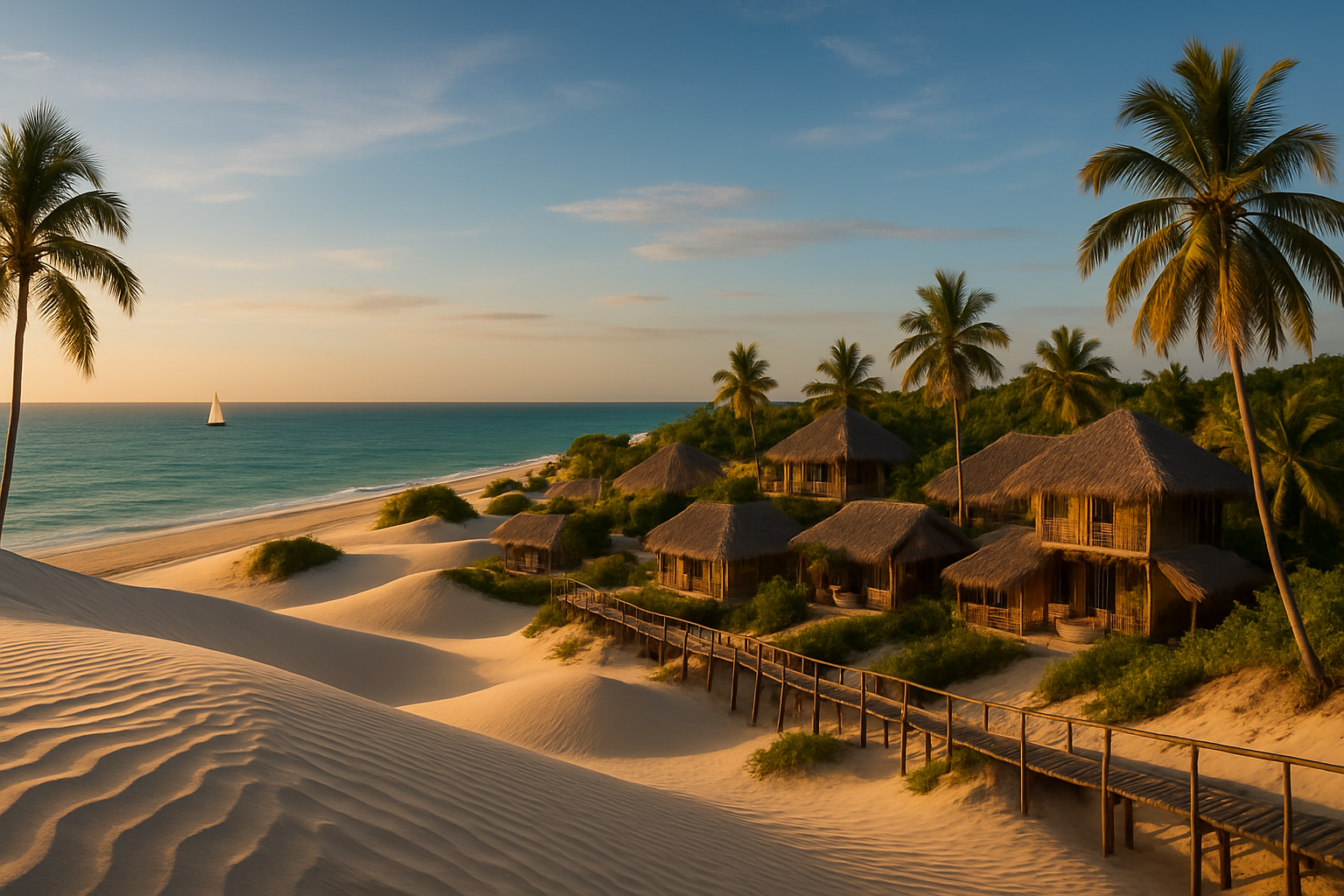
Three hours south, Maragogi presents a different Northeast rhythm—a fishing village transformed into a sophisticated coastal retreat without sacrificing authenticity. The town’s signature experience is the galés, natural coral pools formed offshore that create turquoise lagoons teeming with tropical fish. Morning boat excursions depart around 8 AM and return by early afternoon, leaving time for beachside lunch at one of the village’s excellent seafood restaurants.
Stay at one of the eco-conscious pousadas nestled between coconut palms and beach, where sustainability isn’t marketing but operational practice. Many properties source locally, employ community members, and maintain strict environmental protocols. January rates typically range from $150–$350 USD per night for upscale accommodations.
Tamarindo and Hidden Beach Trails
Between Salvador and Maragogi, the lesser-known village of Tamarindo offers a compelling optional detour. A guided hike through Atlantic Forest fragments leads to secluded beaches where loggerhead turtles nest seasonally. Local conservation groups welcome visitors who book through their programs—a direct way to support environmental protection while witnessing Brazil’s biodiversity firsthand.
Smart Travel Habits for Regional Movement
Inter-city travel is most enjoyable via private driver or organized transfers rather than public buses; this ensures flexibility, comfort, and direct hotel-to-hotel service. Most upscale hotels arrange vetted drivers at competitive rates. January weather is reliably sunny, but pack reef-safe sunscreen and lightweight cover-ups—the sun at this latitude is intense, and corals deserve protection.
Cultural Immersion Without Tourist Traps
Engage with local guides certified by regional tourism boards; they provide context that transforms sightseeing into genuine cultural exchange. In Salvador, guides familiar with Afro-Brazilian history offer depth that self-directed visits cannot match. In Maragogi, fishermen’s cooperative tours provide both authentic experience and direct economic benefit to the community.
This northeastern arc balances iconic Carnival energy, pristine natural beauty, and meaningful cultural engagement—the Northeast’s defining appeal for discerning travelers.
Logistics: Flights, Transfers and Time-Saving Tips
Flight Strategy for January
January is peak season in Brazil’s Northeast, meaning airfare fluctuates considerably. Book international flights 6–8 weeks in advance to secure competitive rates on major carriers like LATAM, Gol, and Azul. Direct flights from major U.S. hubs (Miami, Atlanta, Newark) to Recife or Salvador typically range $600–$900 round-trip during this window—significantly better than last-minute bookings.
Flying into Recife (Aeroporto Internacional dos Guararapes) positions you perfectly for a northbound journey toward Jericoacoara and beyond. Salvador (Aeroporto Internacional Deputado Luís Eduardo Magalhães) works equally well if your itinerary leans south. Both airports have modern facilities, English-speaking staff, and reliable ground transportation.
Ground Transfers: Smart Habits
Airport to Hotel: Skip unmarked taxis entirely. Instead, use your hotel’s pre-arranged transfer service (typically $35–$50) or book through Uber/99Taxi before arrival. This eliminates negotiation friction and provides real-time tracking—a practical safeguard that gives you peace of mind.
Between Cities: Domestic flights via Azul or Gol connect the Northeast efficiently. A Recife-to-Jericoacoara leg costs $120–$180 and saves 8+ hours versus driving. Alternatively, first-class bus services (like Guanabara or Nordeste) offer sleeper cabins for longer hauls—surprisingly comfortable and immersive for observing the landscape.
Pro-Tips for Seamless Movement
Timing: Arrive in your first city by early afternoon to avoid evening transfers. January heat peaks 2–4 p.m., so morning flights work in your favor.
Currency & Cards: Exchange a modest amount of reais ($100–$200) at the airport for initial expenses. ATMs are ubiquitous in city centers; withdraw cash during daylight hours in populated areas. Inform your bank of travel dates to avoid card blocks—a simple step that prevents logistical headaches.
SIM Card: Purchase a local SIM (Claro, Vivo, or Oi) immediately upon arrival. Unlimited data runs $15–$25 monthly and eliminates roaming charges. Navigation, ride-sharing, and restaurant reservations depend on seamless connectivity.
Luggage: Pack light. January humidity demands frequent laundry, and many boutique hotels offer same-day service. A carry-on plus small daypack suffices for 10–14 days. Checked bags slow you down between destinations.
Regional Time Optimization
The Northeast operates on Brasília Time (BRT, UTC-3). Sunset occurs around 5:15 p.m. in early January, so plan beach time and outdoor activities for late morning through mid-afternoon. Reserve evening hours for dining, cultural experiences, and rest—aligning with local rhythm rather than fighting jet lag.
Build a 6–8 hour buffer between flight arrivals and hotel check-ins. Use this window for a café com leite breakfast, a guided walk through the colonial old town, or a restorative massage. You’ll acclimate faster and extract maximum value from your first day.
Where to Stay: Eco-Luxury and Local Flavor
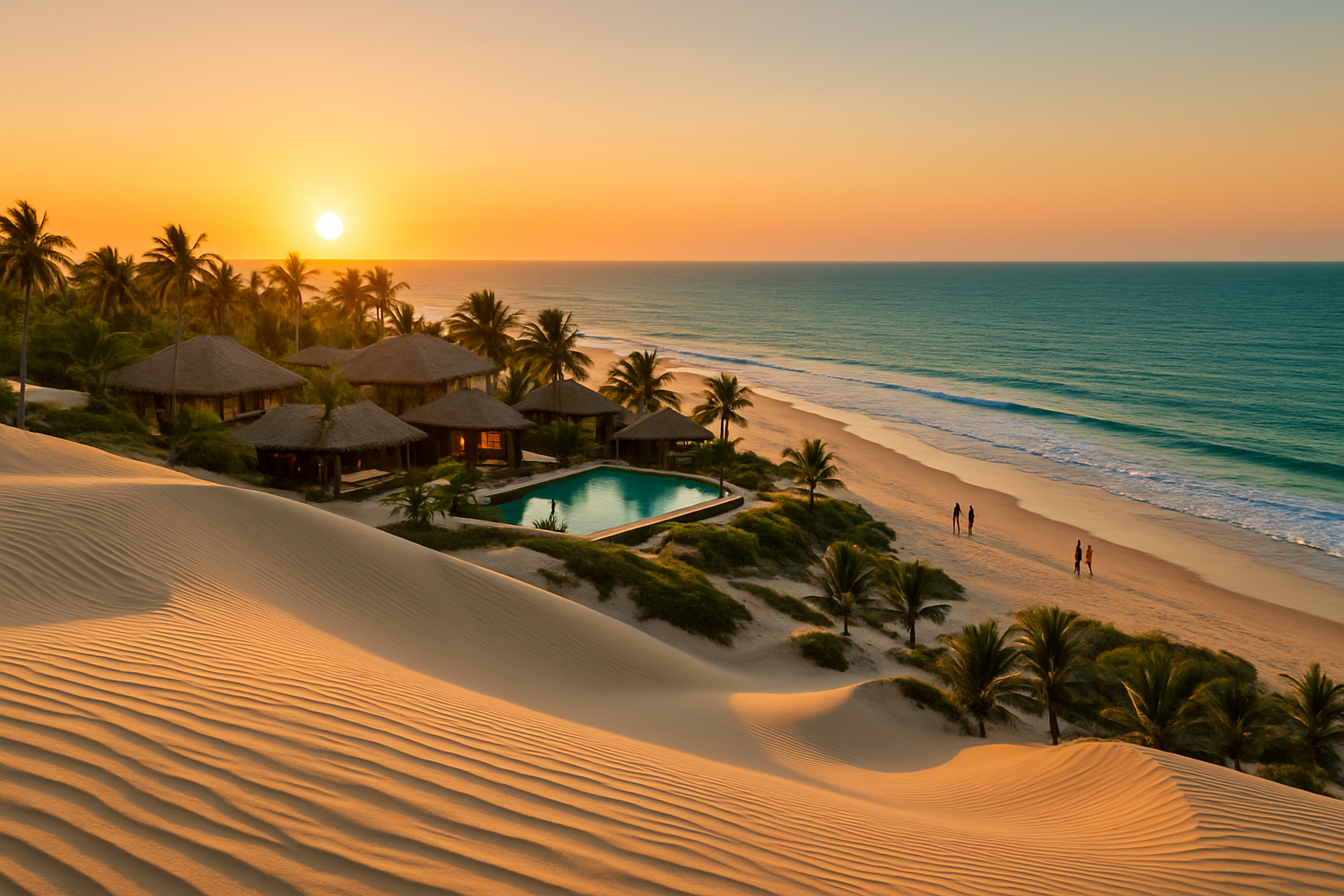
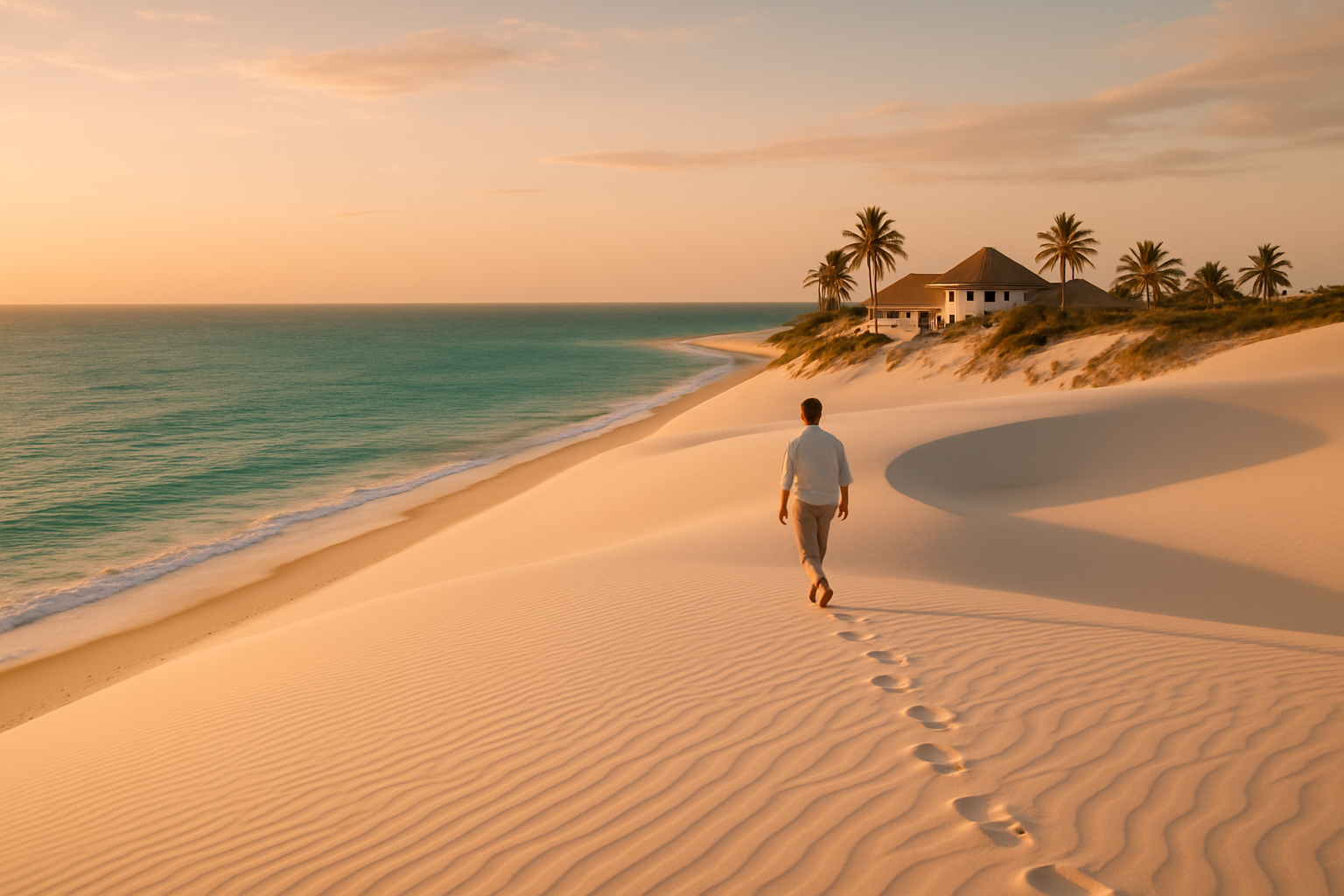
The Northeast’s accommodation landscape has matured remarkably. You’ll find properties that honor local architecture and environmental stewardship without sacrificing the amenities discerning travelers expect—think sustainably sourced linens, filtered rainwater systems, and menus built around regional producers.
Pernambuco: Design-Forward Retreats
In Recife and the surrounding coast, a new generation of boutique hotels has emerged. Look for converted colonial mansions in the historic Bairro do Recife, where original tilework and timber beams remain intact alongside minimalist interiors. These properties typically range from $150–$300 per night and often employ local artisans for renovations, ensuring your stay directly supports the community.
Further north, the Ipojuca coast hosts several eco-certified resorts positioned between mangrove forests and pristine beaches. These properties maintain small footprints—usually under 50 rooms—and implement serious conservation protocols. Many offer complimentary guided nature walks and partner with local fishing cooperatives for evening meals.
Bahia: Immersion Through Lodging
Salvador’s colonial Pelourinho district remains unmatched for cultural proximity. Guesthouses here (often family-run, $80–$200 nightly) double as informal cultural hubs; proprietors frequently know musicians, capoeira instructors, and market vendors personally. This is where you’ll overhear genuine conversations and receive invitations to local celebrations.
South of Salvador, the Recôncavo region’s agrarian lodges offer something different entirely: stays on working cacao and manioc farms. You participate in harvests, learn traditional processing methods, and eat dinner with the family who owns the land. These experiences cost $120–$250 nightly, all-inclusive, and represent authentic cultural exchange that no city hotel can replicate.
Smart Booking Practices
Book directly with properties whenever possible—their websites often detail environmental practices and local partnerships that third-party platforms omit. Many boutique hotels offer January rates 20–30% lower than peak summer months, and they’re more likely to negotiate multi-night discounts.
Request properties managed by verified eco-certifications: look for Green Key, LEED certification, or Brazil’s own Sistema de Certificação da Sustentabilidade Turística. These aren’t marketing gimmicks; they represent genuine auditing and accountability.
A Note on Neighborhoods
Choose where you stay intentionally. Staying in Pelourinho or a beachside village connects you to local rhythms—markets open early, music drifts from bars, neighbors become familiar faces. Resort enclaves, by contrast, insulate you from the region’s genuine character. For January travel, the modest temperature fluctuations mean you can comfortably explore on foot from nearly any central location.
The Northeast rewards travelers who linger in one or two places rather than rushing through five. A week split between Salvador and Recife, or Recife and a coastal village, allows you to establish actual relationships with your hosts and guides—and they’ll show you layers of their home that no itinerary could predict.

Practical Packing, Money and Health Essentials
What to Pack for Northeast Brazil in January
January is peak summer in Brazil’s Northeast, with temperatures consistently between 28–32°C (82–90°F) and high humidity. Pack lightweight, breathable fabrics—linen and moisture-wicking synthetics are your allies. Bring at least two swimsuits to allow for drying time, reef-safe sunscreen (SPF 50+), and a wide-brimmed hat. A lightweight, packable rain jacket handles brief afternoon showers, though they rarely derail plans. Comfortable walking sandals and one pair of casual evening shoes suffice for beachfront dinners and colonial town exploration.
For eco-lodge stays in nature reserves, pack insect repellent with 20–30% DEET, lightweight long sleeves for dusk hours, and closed-toe hiking shoes. Sunglasses with UV protection aren’t optional—the equatorial sun is unforgiving.
Currency and Money Management
Brazil’s currency is the Brazilian Real (BRL). As of early 2024, exchange rates hover around 5–5.20 BRL per USD, though rates fluctuate. ATMs are abundant in cities and resort areas; withdrawals typically carry modest fees ($1–3 USD per transaction). Major credit cards (Visa, Mastercard, American Express) are widely accepted at restaurants, hotels, and upscale retailers, though some smaller establishments and markets operate cash-only.
Smart Travel Habit: Notify your bank of travel dates before departure. Carry a mix of payment methods—credit card plus local currency—to avoid being stranded. Exchange some USD at your hotel or a casa de câmbio (licensed exchange house) for immediate incidental expenses.
Health Precautions and Vaccinations
Consult your healthcare provider 4–6 weeks before travel. Routine vaccinations (MMR, tetanus) should be current. Yellow fever vaccination is not mandatory for Northeast coastal areas but highly recommended for inland eco-tourism in Bahia and Pernambuco; it’s particularly advisable if you’ll visit the Lençóis Maranhenses.
Dengue fever and Zika are present year-round. Protect yourself through insect prevention: wear long sleeves at dusk, use insect repellent consistently, and stay in accommodations with screened windows or reliable air conditioning.
Tap water in major cities and established resorts is potable, though some travelers prefer bottled water initially while their systems adjust. Pharmacies are ubiquitous; most medications available without prescription, though bringing prescriptions for personal medications is prudent.
Travel Insurance and Documentation
Obtain comprehensive travel insurance that covers medical evacuation and trip cancellation—essential for remote eco-lodges. Ensure your passport is valid for six months beyond your return date. Brazil does not require visas for US, EU, Canadian, and Australian citizens for stays under 90 days, but entry stamps are mandatory; you’ll receive them automatically upon arrival.
Pro-Tip: Take photos of important documents (passport, insurance cards, credit card numbers) and email them to yourself, stored securely in the cloud—invaluable if originals are lost.
Conclusion and Next Steps
January in Brazil’s Northeast isn’t simply a vacation—it’s a deliberate choice to experience one of the world’s most dynamic regions at its most radiant. From the cultural richness of Salvador to the eco-luxury retreats of the Abrolhos Archipelago, this route delivers authenticity without sacrificing comfort, and adventure without compromise.
Why January Matters
The Northeast’s summer climate—warm, predictable, and energizing—creates ideal conditions for both beach indulgence and cultural immersion. January’s festive energy lingers from New Year’s celebrations, local communities are actively engaged in their seasonal rhythms, and the region’s natural beauty is at peak vibrancy. This is the moment when Brazil feels most like itself.
Your Smart Planning Framework
Book accommodations now. Luxury eco-lodges and high-end pousadas in the region fill quickly for January. Properties like those in Arraial d’Ajuda and the Abrolhos typically require 6-8 week advance booking to secure premium dates.
Secure internal flights in advance. Flights between Salvador, Porto Seguro, and regional hubs operate on predictable schedules, but January demand is substantial. Booking your internal routing—particularly to lesser-known coastal towns—ensures flexibility and better rates.
Hire a local guide for cultural experiences. The difference between a transactional visit and a transformative one lies in genuine human connection. A knowledgeable local guide in Salvador or Ilhéus will unlock doors to informal markets, family-run restaurants, and conversations that never appear in guidebooks.
Pre-Departure Essentials
- Confirm your travel insurance covers activities (diving, boat excursions, hiking).
- Download offline maps and translation apps; while Portuguese speakers are abundant in tourist areas, rural coastal communities appreciate the effort.
- Pack reef-safe sunscreen and lightweight, breathable clothing—the sun here is unforgiving and the humidity demands smart fabric choices.
The Larger Vision
This Northeast route represents a new model of luxury travel: one that prioritizes cultural respect, environmental stewardship, and genuine encounter over mere consumption. You’ll return home not with shopping bags, but with stories, skills (perhaps you’ll learn to prepare moqueca or identify bird species), and relationships that reshape how you see the world.
January in Brazil’s Northeast awaits. The combination of weather, culture, accessibility, and that distinctive Brazilian warmth—both literal and human—creates conditions for travel that feels both indulgent and meaningful.
Your journey begins with a single booking. Make it count.